
Texas Plumbing Problems & Local Homeowner Guides
Texas plumbing problems vary by region, water source, climate, and local utility rules. Use this guide to understand common issues in your area and find practical next steps for your home.
Texas Plumbing at a Glance
Key water system and resource data for Texas, based on TCEQ and TWDB sources.
Texas does not have one single plumbing context. Provider, water source, climate, home context, and utility policy vary across the state, which means plumbing issues and water quality can look very different from one area to another.
How to Use This Guide
Follow these four steps to find the most relevant information for your home.
Find your provider
Start with your actual water provider for the most accurate information.
Check service area vs CCN
Compare your address to service area maps and Certificate of Convenience and Necessity boundaries.
Read the current report
Look at the latest Consumer Confidence Report (CCR) for water quality data and system updates.
Match the symptom
Use the right plumbing guide for your issue, such as low pressure, leaks, water heater problems, or slow drains.
Four Factors That Shape Local Plumbing Conditions
Understanding these factors will help you get the most out of this guide.
Provider and service area
Different utilities, service areas, and CCN boundaries mean different water sources, rules, and infrastructure.
Measured water conditions
Water quality, hardness, and other measured values vary across the state and can affect plumbing systems.
Climate and seasonal exposure
Texas conditions range from hot and dry to humid, with risks from heat, drought, freezing temperatures, and severe weather.
Home context and utility rules
Home age, plumbing materials, local rules, and conservation policies all influence the types of problems homeowners see.
Texas Research Snapshots
Explore these region-specific summaries, including water sources, key facts, and local examples.
Panhandle, Region A
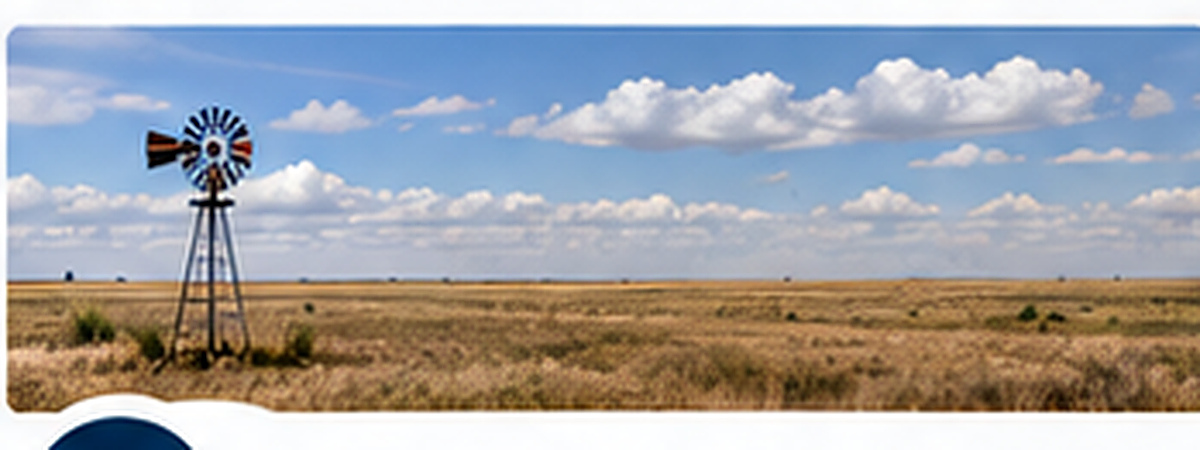
Only 1 percent of 2020 total regional water use came from surface water. The Ogallala accounted for about 88 percent of modeled groundwater availability.

North Central, Region C
About 90 percent of current use is supplied by surface water, while groundwater still matters in many rural systems.
Far West, Region E
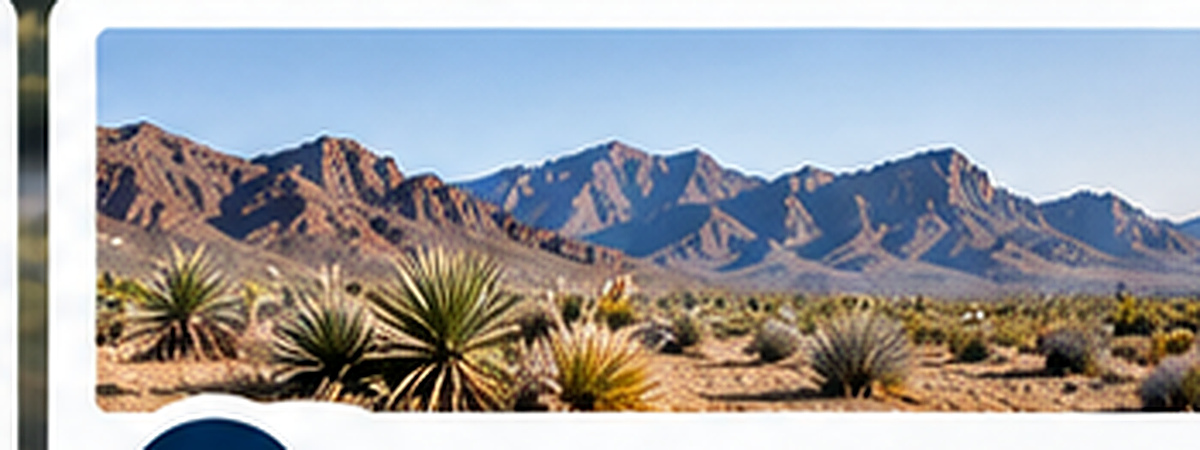
The official plan describes this as the state’s most arid region. Outside part of El Paso’s Rio Grande use, almost all other regional use is groundwater.

Gulf Coast Metro, Region H
About two-thirds of projected 2030 existing regional supply is surface water, while groundwater use is constrained in some areas to address subsidence.

South Central, Region L
This region draws on several aquifers, rivers, reservoirs, local surface water, and reuse.
Coastal Bend, Region N
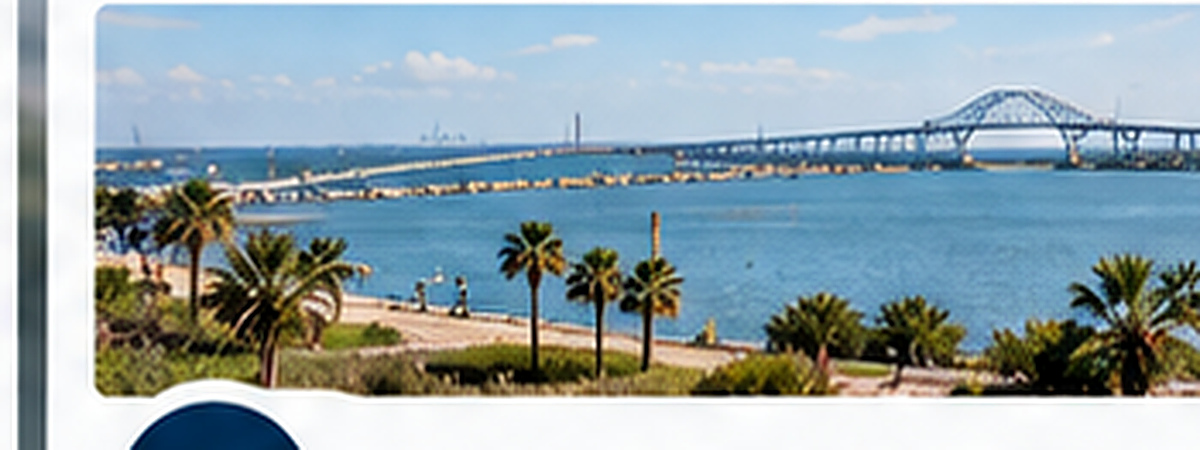
Municipal and industrial use depends mostly on surface water, while many rural municipal and irrigation uses rely on groundwater.
Explore Texas Plumbing Guides by Location
Open a published area hub for provider, geography, water-system, climate, and homeowner context tied to that place.
Horizon City, TX 79928 Plumbing Problems & Homeowner Guide
Evidence-led Horizon City plumbing guide covering HRMUD, water source, billing, climate, local rules and published homeowner problem guides.
Texas Local Explainers
Short, evidence-led explainers for weather, water, yard, utility and homeowner questions across Texas.
Bathroom Plumbing Rough-In Diagram Explained for U.S. Homeowners
Understand a bathroom plumbing rough-in with original diagrams covering drain layout, slope, fittings, traps, venting and pre-cover checks.
Open local explainerBathroom Sink Rough-In Dimensions and Diagram: Drain, Water Lines and P-Trap
How bathroom sink drain height, hot and cold water lines, P-trap placement, venting and vanity design work together before the wall is closed.
Open local explainerBefore the First Freeze in Texas: 7 Plumbing Checks Homeowners Should Do Now
A practical Texas homeowner checklist for attic pipes, outdoor faucets, garage plumbing, sprinkler systems, shutoff valves and indoor faucets before freezing weather.
Open local explainerBest Oak Trees for Princeton TX Clay Soil
A concise Princeton homeowner explainer on North Texas oak choices, clay soil, limestone conditions and planting fit.
El Paso County General Assistance for Horizon City Residents
A clear starting point for Horizon City households checking emergency rent, mortgage or utility assistance through El Paso County.
Hard Water and Arsenic in Goliad 77963 and Berclair 78107
A local Texas explainer on hard water, arsenic in water, public-water reports and private-well testing for Goliad 77963 and Berclair 78107 homeowners.
How to Find a Sprinkler Leak in Your Texas Yard
A practical Texas homeowner guide to wet spots, leaking sprinkler heads, underground leak clues and a simple water meter check.
Katy Faucet Sediment and Tankless Water Heater Problems
A Katy local explainer on white or tan faucet particles, tankless water heater sediment buildup, and the hot and cold checks that help narrow the source.
New Home Plumbing Problems in Princeton, TX: What to Check Before Your Builder Warranty Ends
New Princeton home, unexpected plumbing problem? Document the issue, check builder warranty terms, review water use, and know when independent help makes sense.
Princeton Is Rethinking Its Drainage Plan as the City Keeps Growing
What Princeton’s updated drainage planning could mean for stormwater, runoff, roads, neighborhoods and future development.
Princeton Town Center Opening Timeline for Kroger, Hobby Lobby, TJ Maxx and More
Latest Princeton Town Center construction timelines for Kroger, Hobby Lobby, TJ Maxx, HomeGoods and PetSmart, and what the current 2027 dates really mean.
Princeton Water Bill and Winter Sewer Charges
Princeton water bill explainer on how winter water use shapes wastewater charges, plus leak checks and the 5,000-gallon new-customer basis.
Homeowner Problem Pathways
Jump to a guide for common plumbing problems in Texas.
Texas Plumbing Questions From Homeowners
Direct answers to the statewide questions that should be settled before using local water or plumbing information.
What does this Texas plumbing guide actually help me do?
It helps you avoid guessing. Start by identifying the water provider or private-well path, then use current official information to understand what is worth checking before you interpret a plumbing symptom. This page does not diagnose one home. It gives a research workflow.
Does Texas have one statewide plumbing profile?
No. Texas plumbing conditions vary by provider, source, climate exposure, home context, and local utility rules. A statewide statement can be useful as background, but it should not replace provider-specific verification.
Can I use a city name as a shortcut for water hardness or plumbing conditions?
Use it only as a rough starting point. A city may contain multiple public water systems, subsystems, pressure zones, or source blends. A dated provider report is stronger than a general city label.
Where should I look first if I suspect a water-quality issue affecting plumbing?
Find the retail provider, read the current Consumer Confidence Report, then look for any more current utility data or notices. If the property uses a private well, skip the public-water-system steps and move to well-owner testing guidance.
Do health-based drinking-water standards answer every plumbing question?
No. Compliance answers one question. Homeowner concerns such as scale, taste, odor, staining, or pressure may involve aesthetic or operational issues that require a different type of evidence and sometimes household testing or inspection.
Should this page recommend a treatment device?
Only conditionally. Treatment decisions should follow a verified condition, a clear household goal, and product specifications that actually match the measured issue.
Why is there no statewide ranking of the most common plumbing failures?
Because the evidence in this project supports context and verification far better than it supports residential failure-prevalence rankings. The goal is to publish what can be defended, not a longer list with weaker proof.
Sources Reviewed
Primary statewide and representative utility sources used on this page.
Official statewide and federal sources
- TWDB 2027 State Water Plan
- Approved 2026 Regional Water Plans
- TWDB Water Use Survey FAQ and Water Service Boundary guidance
- PUCT Water and Sewer CCN Viewer
- TCEQ 2025 Annual Compliance Report for Public Water Systems
- TCEQ Consumer Confidence Reports
- TCEQ Drinking Water Watch guidance
- EPA Consumer Confidence Reports
- EPA Secondary Drinking Water Standards
- USGS Hardness of Water
- NOAA / NCICS Texas State Climate Summary
- Texas Department of Insurance, frozen-pipe guidance
- TCEQ flood drinking-water guidance
- Texas Well Owner Network
- CDC well-water testing guidance
Representative utility examples used in this hub
- Austin Water quality reports
- El Paso Water 2025 Consumer Confidence Report
- Houston Public Works 2025 Water Quality Report
- San Antonio Water System water quality report
- City of Amarillo 2025 Consumer Confidence Report
- Houston water bill adjustment request
- Johnson County SUD leak adjustment
- Cedar Park public-works responsibility guidance
Trusted home guidance. Stronger homes. Happier living.
Find trusted local plumbing help where connection availability is supported.