
Not Sure What Pest You Have? What to Observe First
When the pest is unclear, a photo, location, time of activity, and type of damage can be more useful than choosing a treatment too early.
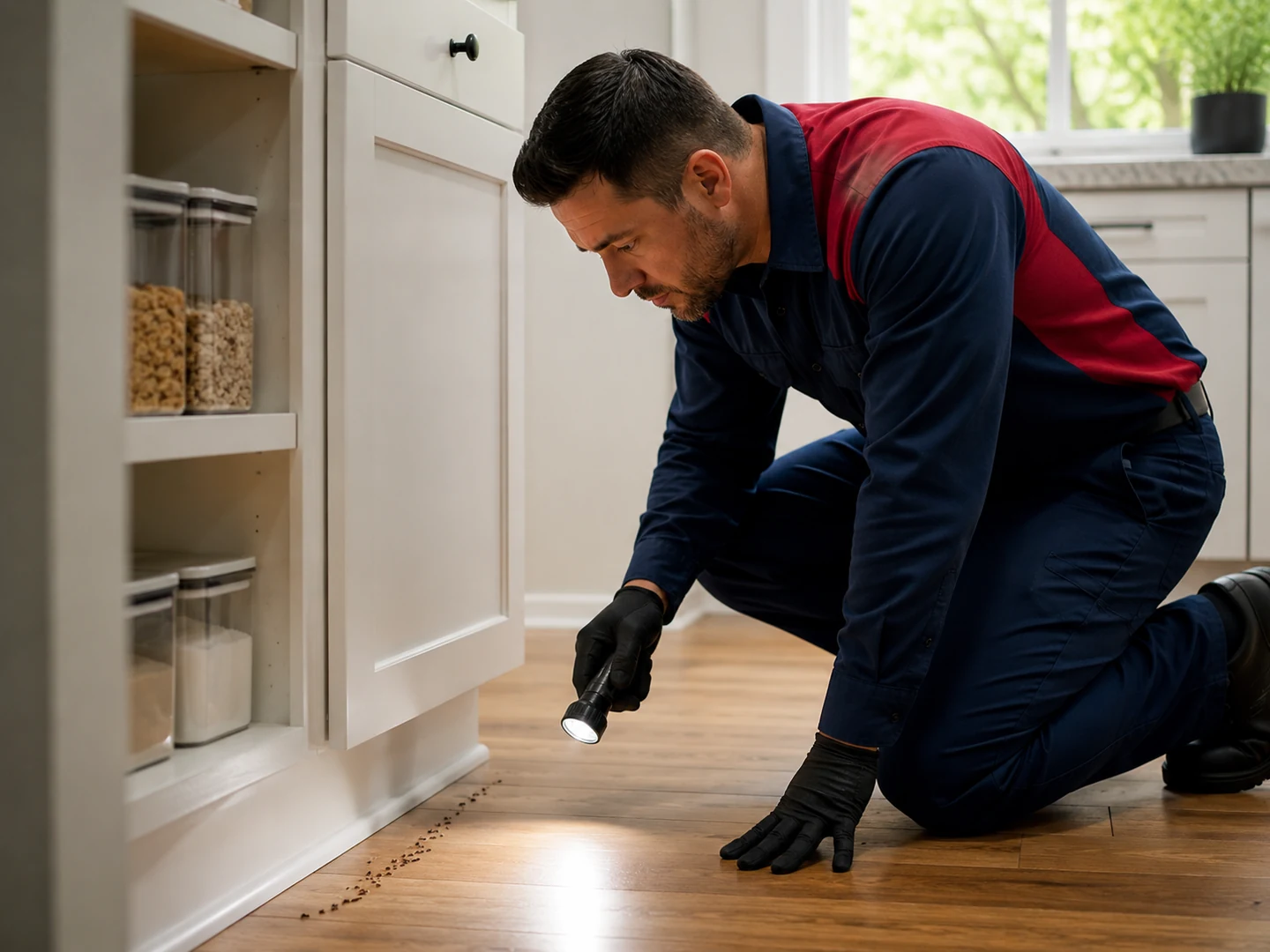 Pest Control
Different household pests require different control methods. An insect near food, droppings in a cabinet, scratching in a wall, damaged wood, bites, and an outdoor nest may point to very different situations. Identification should come before broad pesticide use whenever possible.
What You Can Check
These are basic observations or simple checks. If anything feels unsafe or uncertain, stop and seek appropriate professional help.
- Take a clear photo from a safe distance or save a specimen in a sealed container only if it can be done without contact risk.
- Note where the pest or evidence appears and whether activity is daytime, nighttime, indoor, or outdoor.
- Document droppings, gnawing, wood damage, shed skins, trails, nests, stains, or entry gaps without disturbing them.
- Reduce accessible food, standing water, and clutter while you work on identification.
Warning Signs
- The pest is biting, stinging, aggressive, or cannot be approached safely.
- There is a large nest, swarm, heavy infestation, or activity inside electrical or structural areas.
- Droppings or nesting material may expose you to contamination or disease risk.
- You are considering spraying or applying a pesticide before the pest and allowed treatment site are identified.
When Professional Help May Make Sense
A pest professional can identify the pest and select a targeted control approach when evidence is unclear, the activity is persistent, or the pest may pose a health or structural concern. Avoid touching unknown pests, nests, or droppings with bare hands.
Call for Pest Control Help
If this issue needs professional attention, use the matching Pest Control connection below.
Call for Pest Control HelpConnection availability can vary by location, routing availability, campaign conditions, and provider participation.What to Have Ready Before You Call
- Clear photos or a safely contained specimen if available.
- Exact rooms or outdoor locations where signs appear.
- Time of day and frequency of activity.
- Description of any droppings, damage, bites, sounds, nests, or prior treatments.