
Hot or Cold Spots at Home? Common Causes to Consider
A room that is consistently hotter or colder than nearby spaces may point to airflow, duct, insulation, window, or room-load differences.
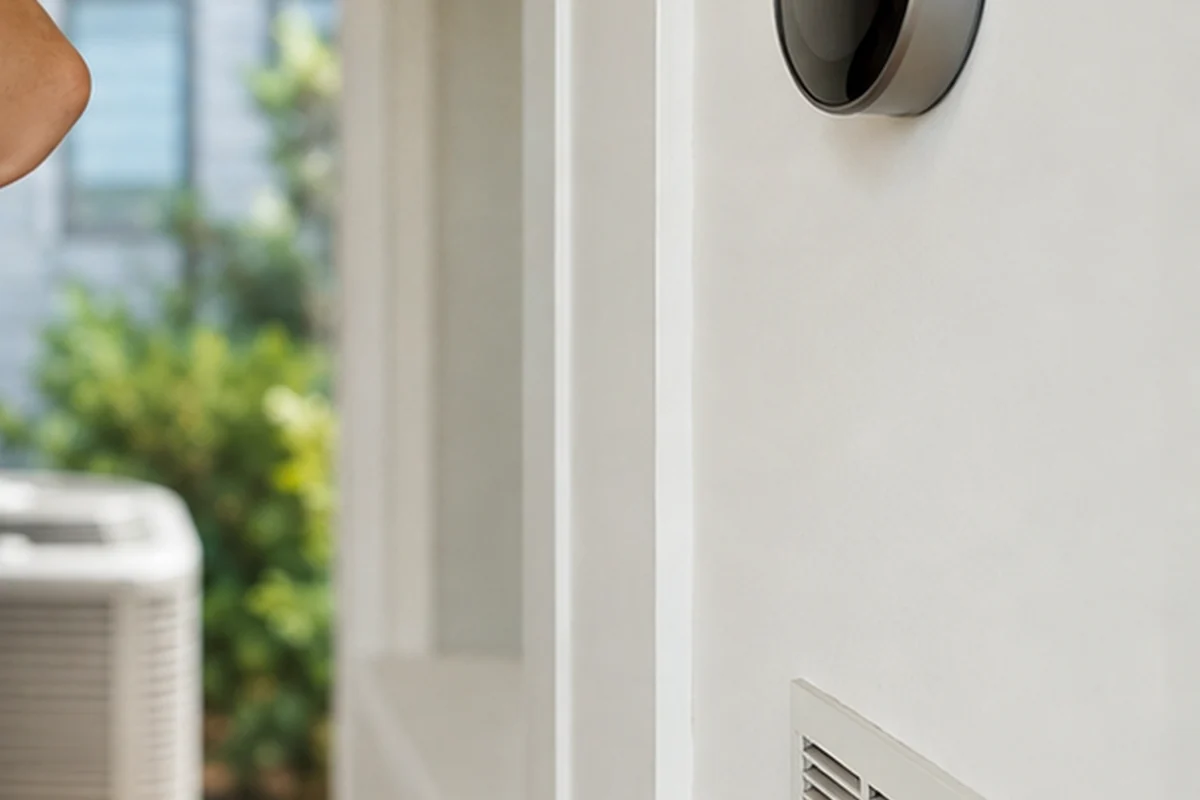 Heating & Cooling
Hot and cold spots are often a room-by-room comfort issue rather than a simple thermostat problem. Restricted airflow, leaky or poorly routed ducts, air leaks, insulation gaps, window exposure, and the location of returns can all affect comfort. A few safe observations can make a later diagnosis more useful.
What You Can Check
These are basic observations or simple checks. If anything feels unsafe or uncertain, stop and seek appropriate professional help.
- Make sure supply and return vents in the room are fully open and unobstructed.
- Compare airflow at the affected room with airflow at nearby rooms.
- Note whether direct sun, exterior walls, large windows, or closed doors line up with the comfort problem.
- Check the system filter and note whether the issue changed after any recent furniture or room-layout change.
Warning Signs
- A room suddenly gets almost no airflow.
- Strong musty, burning, or electrical odor comes from the vents.
- Visible moisture, condensation, or staining appears around a vent or ceiling.
- The HVAC system repeatedly shuts down or trips a breaker.
When Professional Help May Make Sense
If the same room remains uncomfortable after basic checks, an HVAC professional may need to evaluate duct condition, airflow balance, equipment sizing or performance, and related building-envelope factors.
Call for HVAC Help
If this issue needs professional attention, use the matching Heating & Cooling connection below.
Call for HVAC HelpConnection availability can vary by location, routing availability, campaign conditions, and provider participation.What to Have Ready Before You Call
- Which room or rooms are affected.
- Whether the problem happens during cooling, heating, or both.
- Approximate temperature difference from the thermostat area.
- Any recent duct, insulation, window, or renovation work.