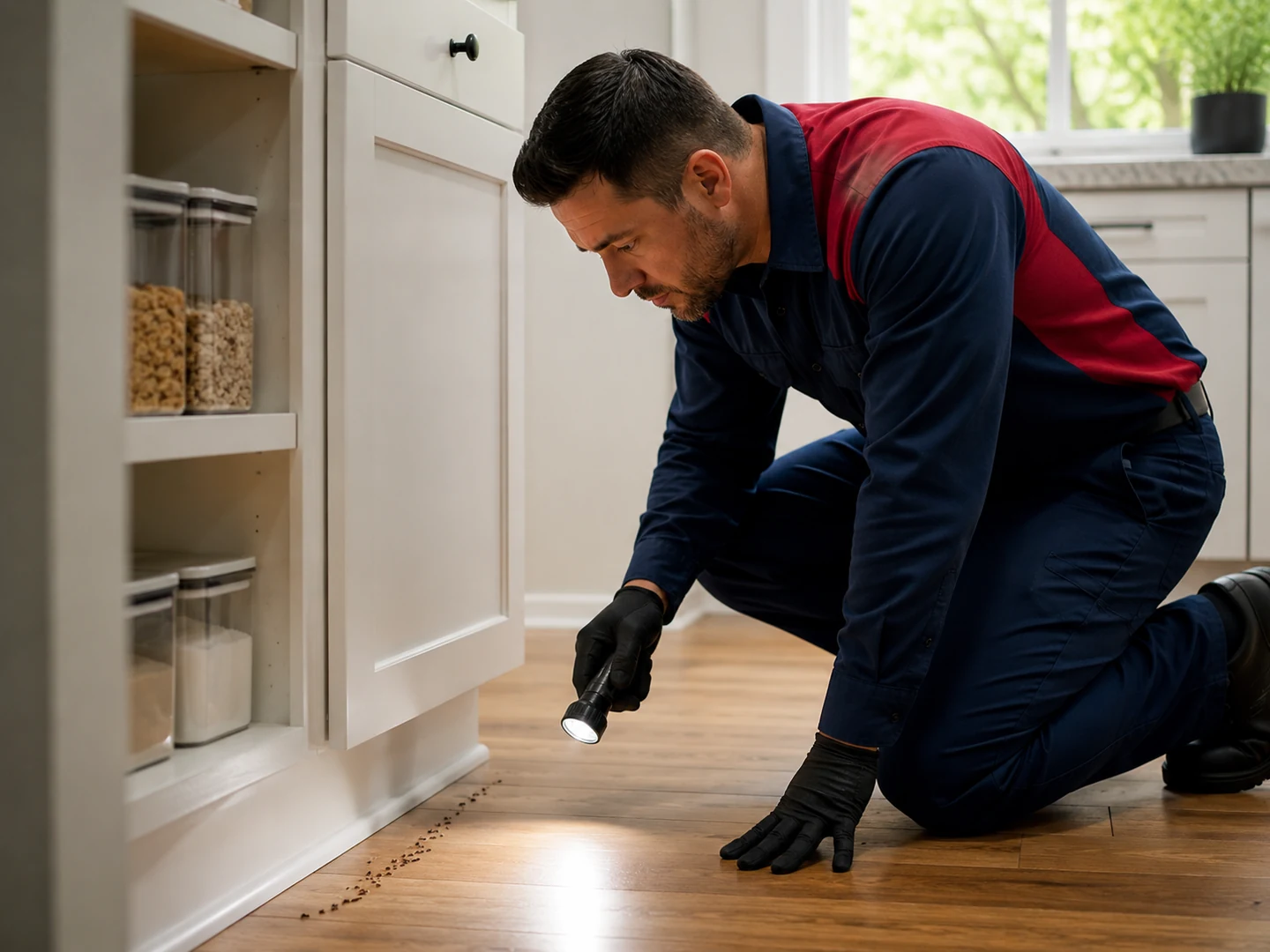
Not Sure What Pest You Have? What to Observe First
When the pest is unclear, a photo, location, time of activity, and type of damage can be more useful than…
Read guidePractical starting points for common home problems—what to notice, what you can safely check, and when professional help may make sense.

When the pest is unclear, a photo, location, time of activity, and type of damage can be more useful than…
Read guide
Mosquitoes breed in standing water, so weekly water removal and good screens are key first steps around a home.
Read guide
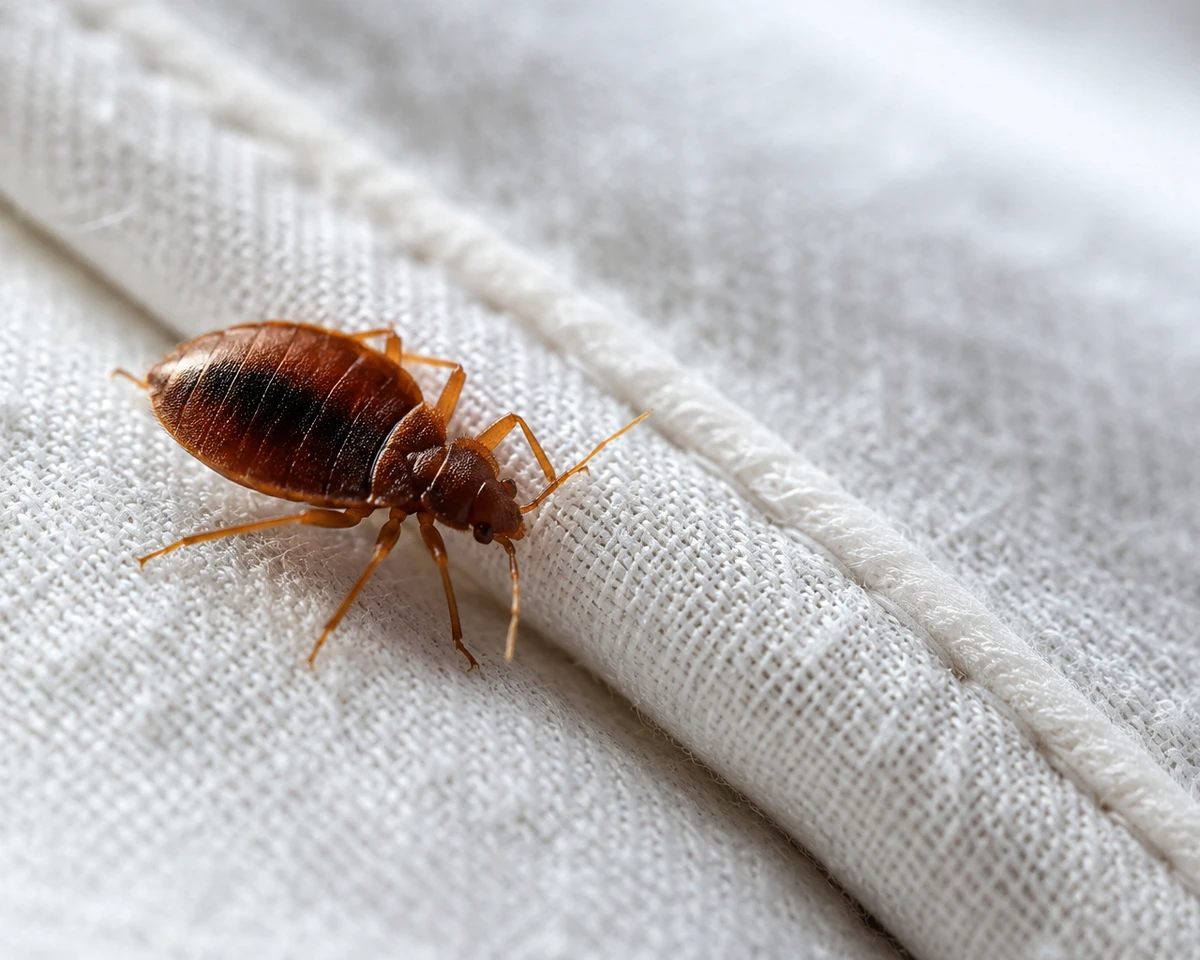
Bed bugs are best confirmed by physical evidence such as live insects, dark spotting, shed skins, eggs, or characteristic stains…
Read guide
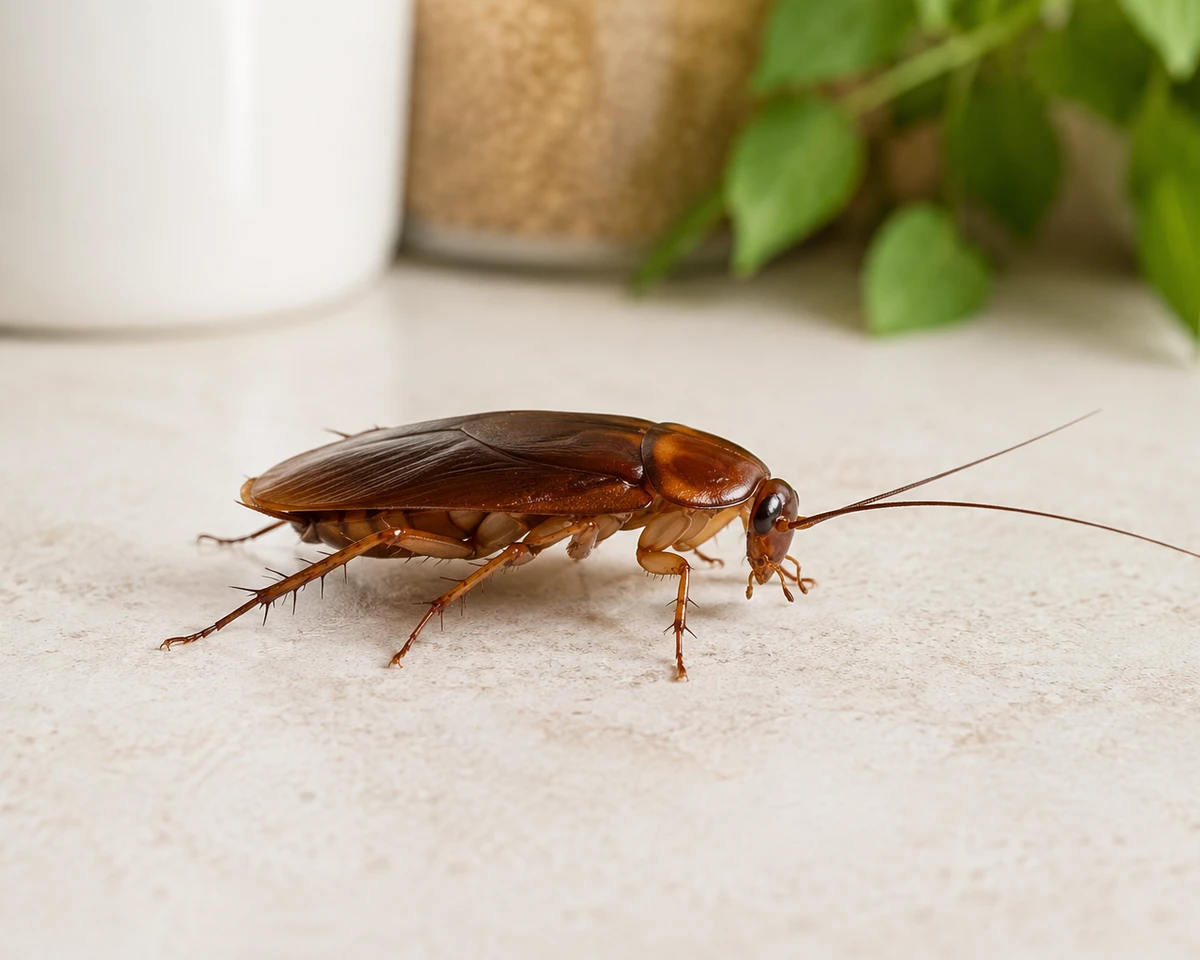
Repeated cockroach sightings, droppings, egg cases, or activity around food and moisture can indicate a larger infestation than a single…
Read guide
A roof inspection can make sense after severe weather, when new warning signs appear, when the roof history is unclear,…
Read guide
Weathered shingles, repeated leaks, surface wear, and recurring repairs can indicate that a roof deserves a closer professional look, especially…
Read guide
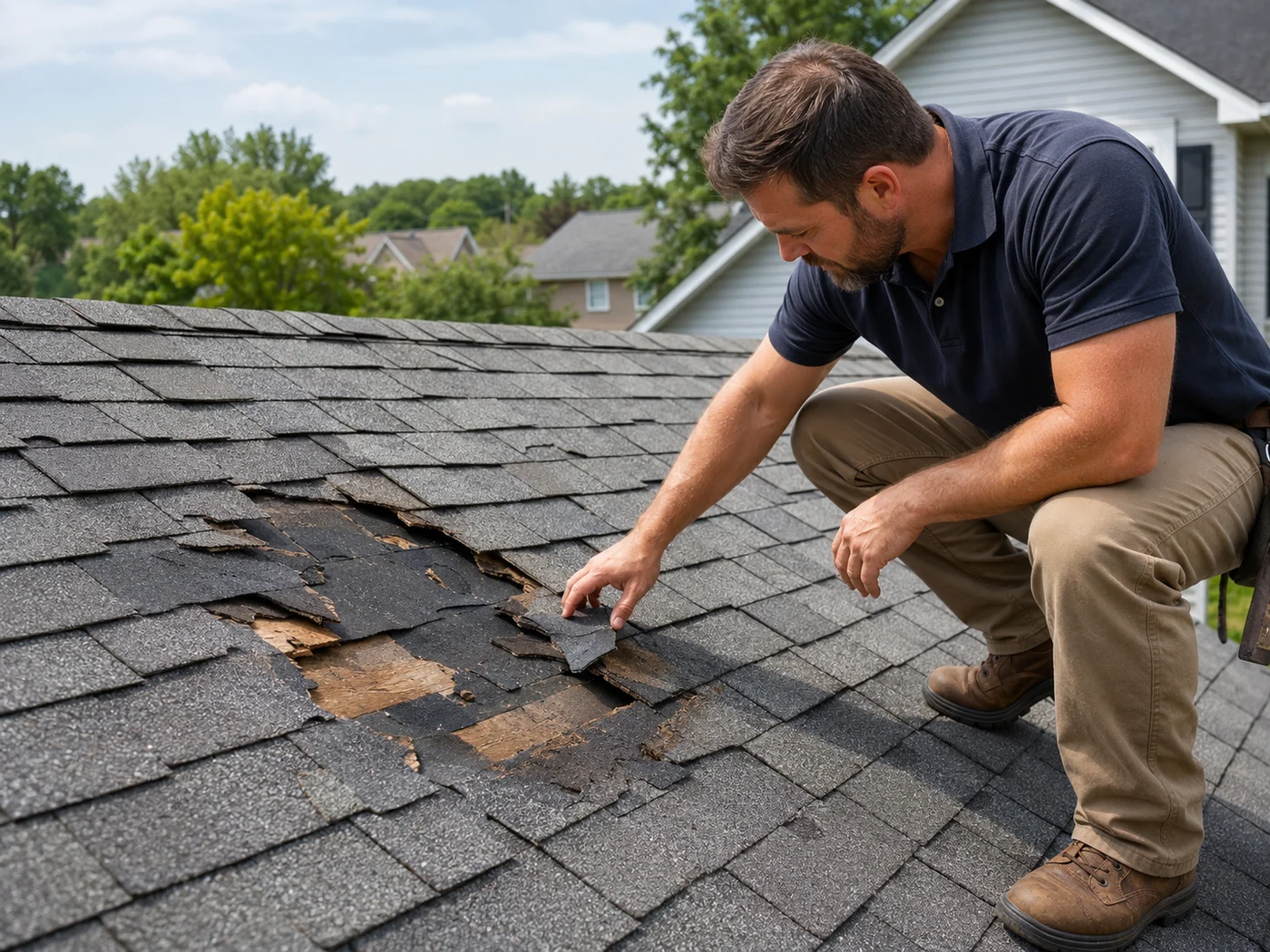
Cracked, displaced, punctured, or otherwise damaged roofing deserves attention even when there is no indoor leak yet.
Read guide
A visible dip, wave, or sag in the roofline can be a structural warning sign and should not be investigated…
Read guide
Strong wind can lift, loosen, crease, or remove shingles and other roof components even when the roof looks mostly intact…
Read guide
After hail, heavy rain, falling debris, or severe wind, inspect from the ground and indoors rather than climbing onto a…
Read guide
Little or no water flow during freezing weather can be a sign of a frozen pipe. Use gentle heat only…
Read guide
A burst pipe or fast uncontrolled leak can cause major water damage quickly. The priority is to stop water flow…
Read guide
Water around a water heater can come from the tank, connected piping, condensation, or a valve. An active tank leak…
Read guide
Temperature changes, unusual noises, discolored hot water, error codes, or water around a heater can point to different issues. Keep…
Read guide
When hot water disappears, first determine whether the problem affects every fixture or only one. Avoid opening water-heater electrical covers…
Read guide
A weak, incomplete, or inconsistent flush can be caused by a partial clog, tank water level, flapper or chain operation,…
Read guide
A toilet that keeps refilling can waste a significant amount of water. Many running-toilet problems can be narrowed down with…
Read guide
If a toilet is clogged, preventing an overflow is the first priority. Repeated flushing can make the situation worse.
Read guide
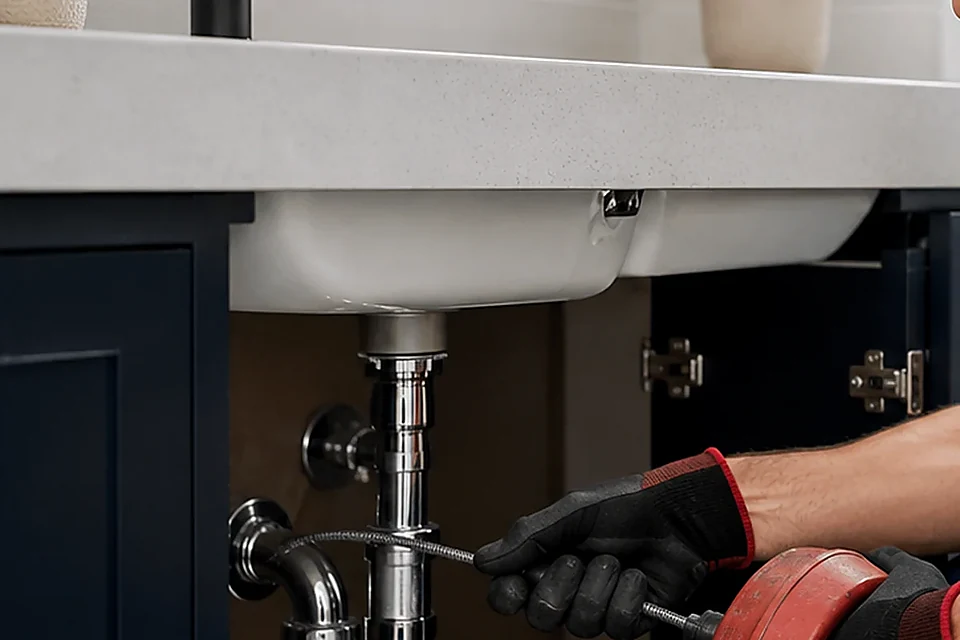
A clogged sink may be caused by material near the drain opening or by a restriction farther down the drain…
Read guide
A hidden leak may show up as unexplained water use, stains, damp materials, musty odors, or a pressure change before…
Read guide
A dripping or leaking faucet may waste water and can sometimes leak from more than the spout. Start by identifying…
Read guide
A new smell from the HVAC system can be related to dust, a dirty filter, moisture, electrical overheating, or another…
Read guide
Rattling, buzzing, squealing, grinding, banging, or other new HVAC sounds can help identify where a problem is occurring, but internal…
Read guide
If the heating system runs but the home does not warm up as expected, airflow, thermostat settings, room-by-room heat loss,…
Read guide
When the heat does not come on, start with thermostat settings and visible system conditions while avoiding gas, combustion, and…
Read guide
Weak, noisy, dirty, or uneven airflow at a vent can come from the register itself, the filter, duct restrictions, or…
Read guide
A room that is consistently hotter or colder than nearby spaces may point to airflow, duct, insulation, window, or room-load…
Read guide
If some rooms stay warmer than others while the AC is running, the pattern can help narrow down whether airflow,…
Read guide
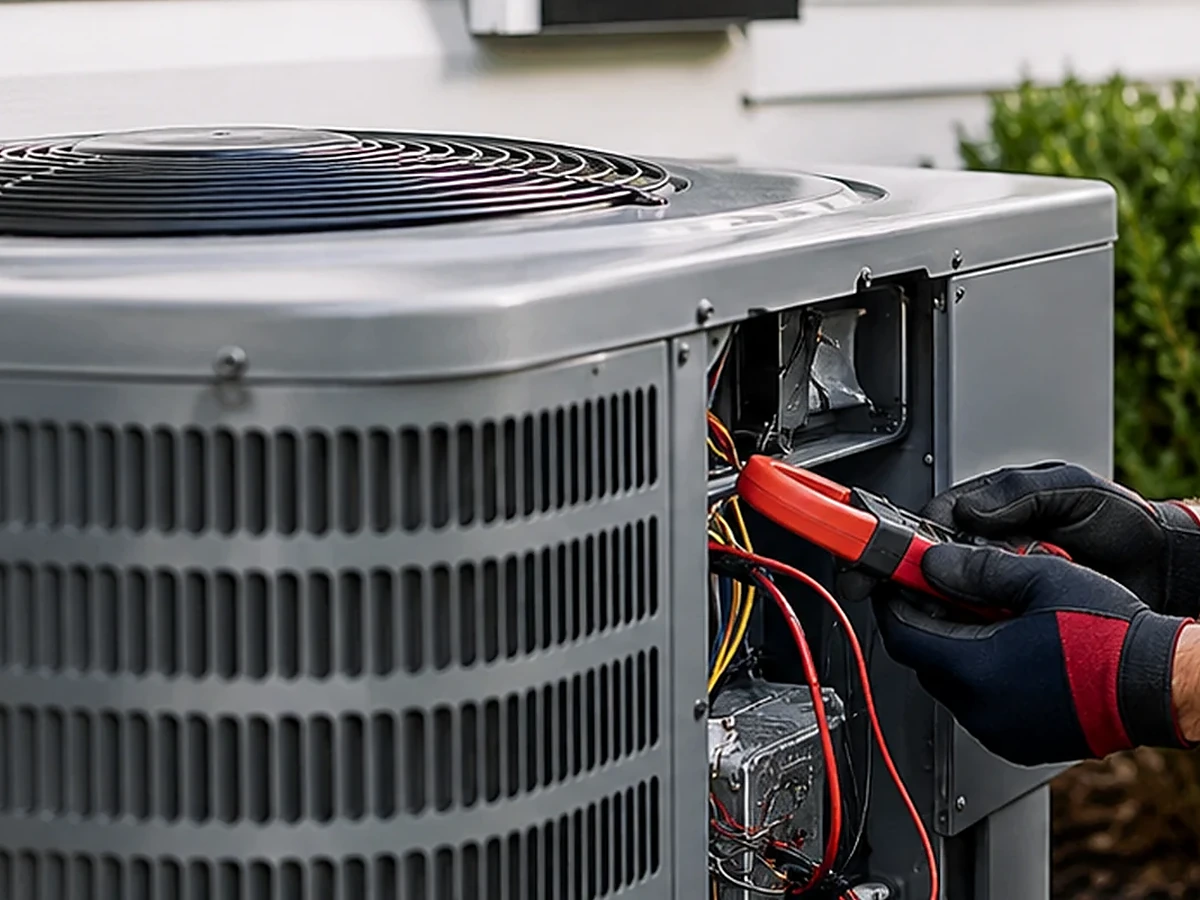
If the AC does not start at all, check the thermostat and a few visible power-related basics before assuming the…
Read guide
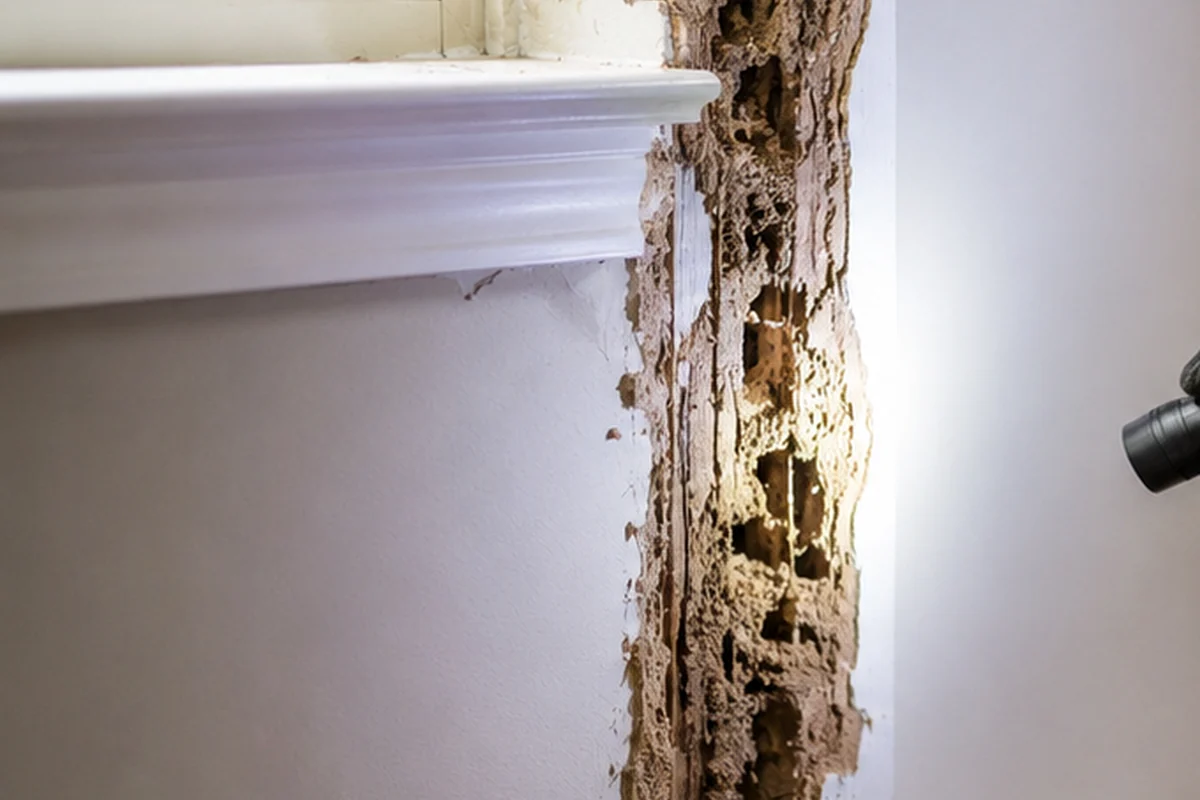
Termites can be difficult to confirm without a professional inspection, but certain signs deserve attention.
Read guide
Rodents can leave several clues before you actually see an animal.
Read guide
Ants often enter kitchens because they can find food, water, or a route indoors.
Read guide
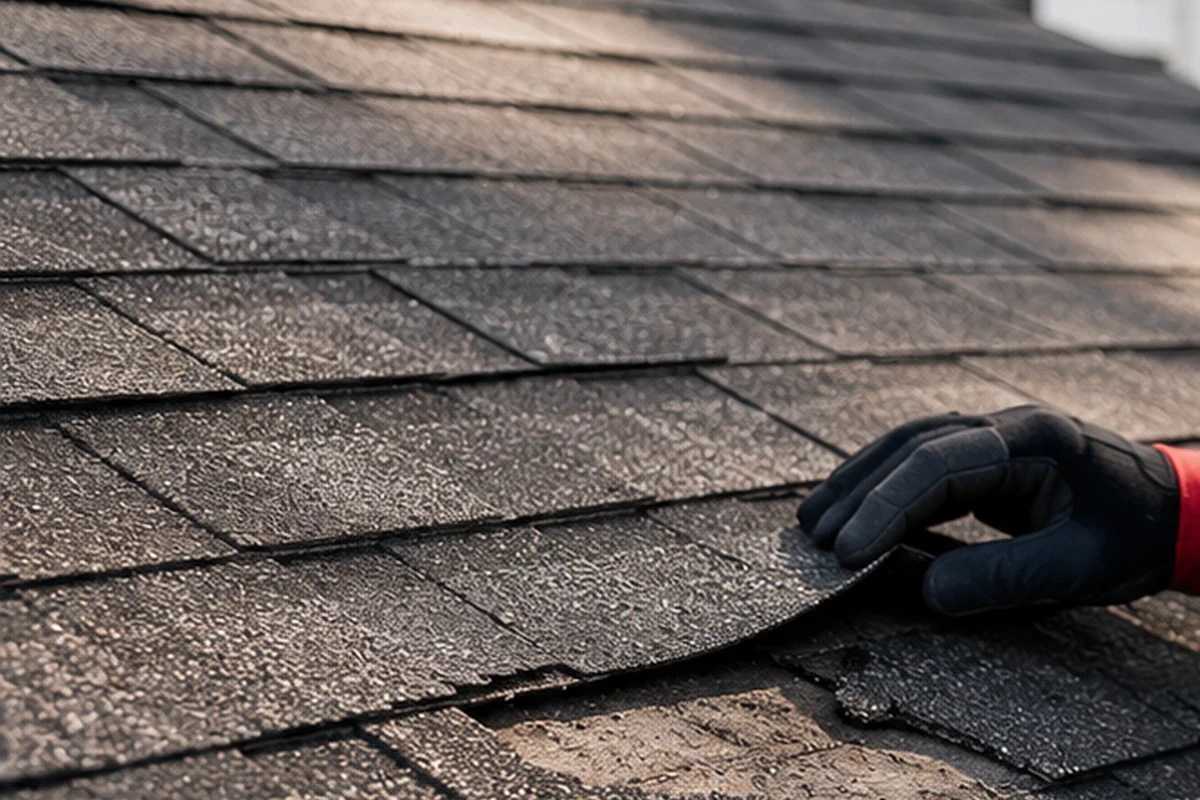
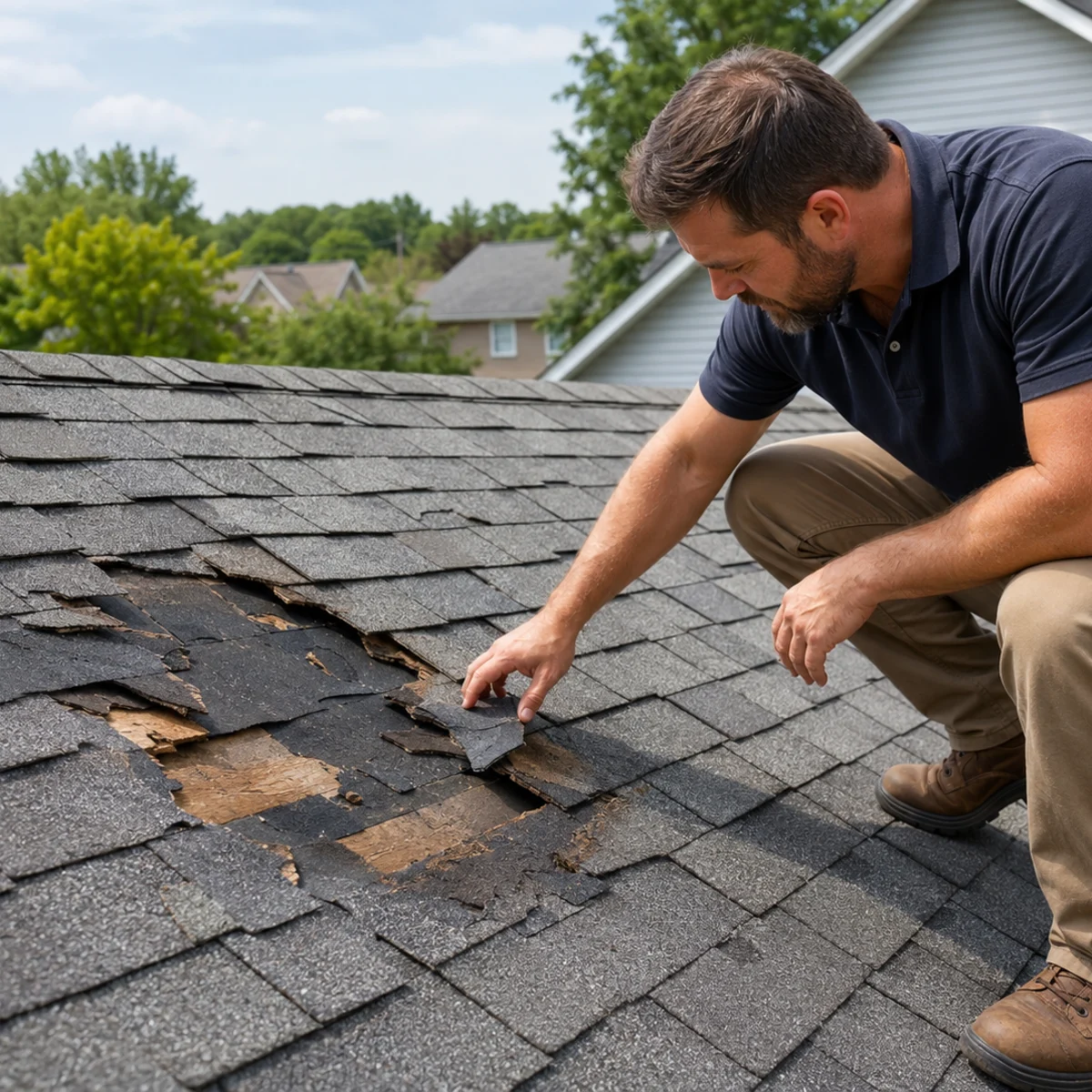
Shingles can loosen, crack, curl, or go missing after weather exposure or as a roof ages.
Read guide
Roof leaks do not always begin with water dripping into a room. Early signs may be subtle.
Read guide
Low water pressure can affect one fixture, one part of the home, or the whole property.
Read guide
A slow sink, tub, or shower drain often develops gradually and may have several common causes.
Read guide
When heating or cooling does not respond as expected, the thermostat is a useful place to start.
Read guide
Weak airflow can make rooms uncomfortable even when the system is running.
Read guide
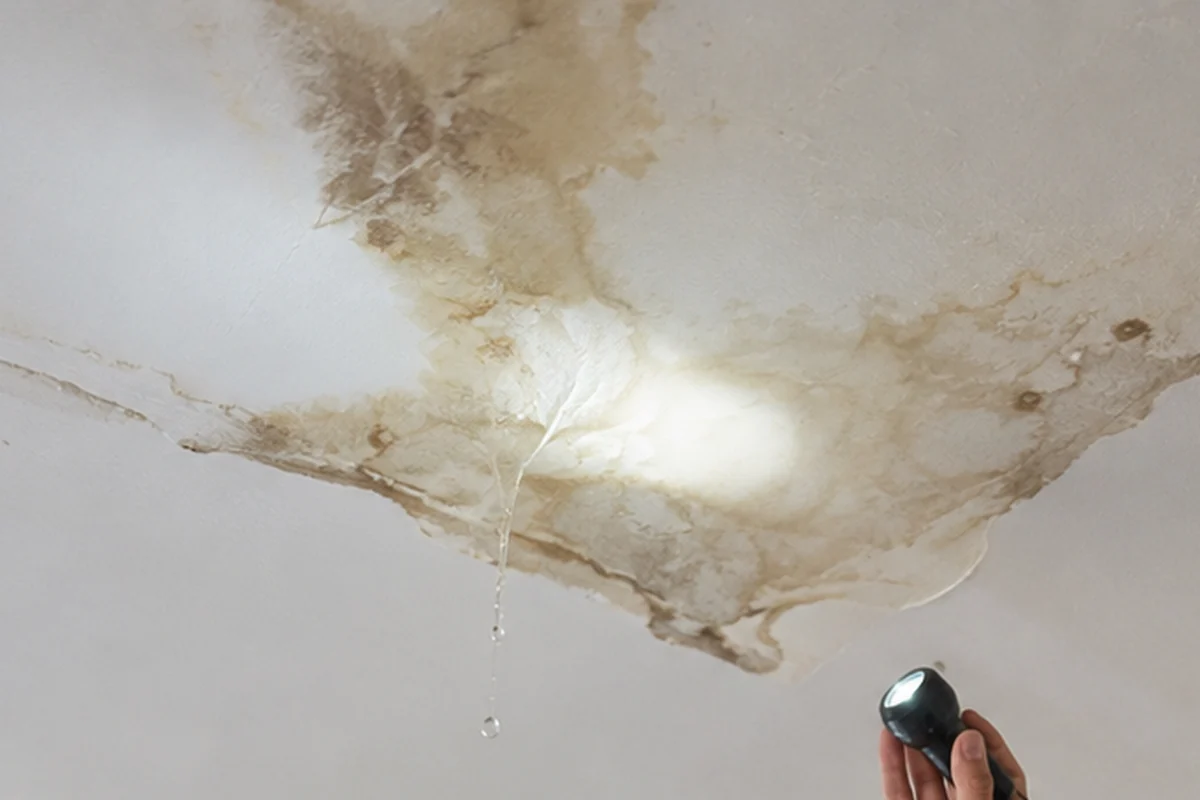
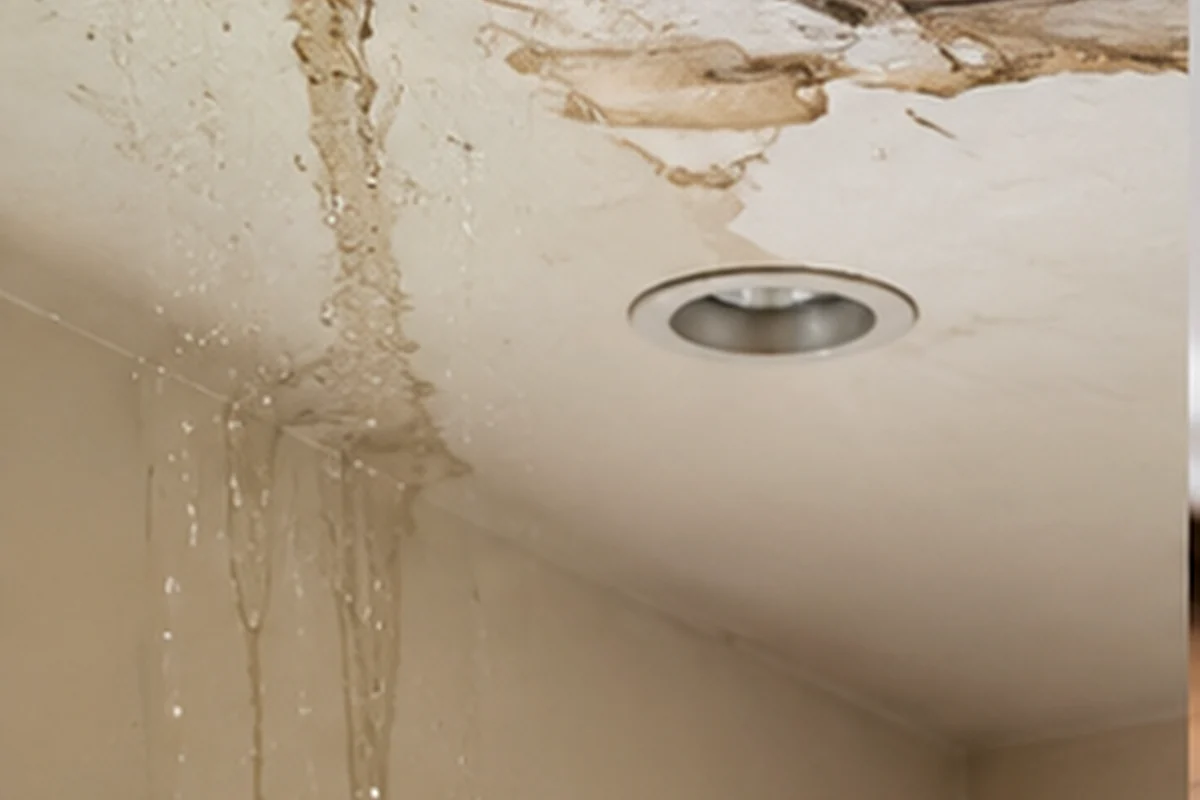
A ceiling water stain can come from the roof, plumbing, condensation, or another moisture source.
Read guide
Water under a sink may come from a drain connection, supply line, faucet, disposal, or another nearby source.
Read guide
If your AC is running but the home is not getting cooler, start with a few simple observations before deciding…
Read guide