
Clogged Sink? Safe First Steps Before Calling a Plumber
A clogged sink may be caused by material near the drain opening or by a restriction farther down the drain line. Avoid combining chemical products while troubleshooting.
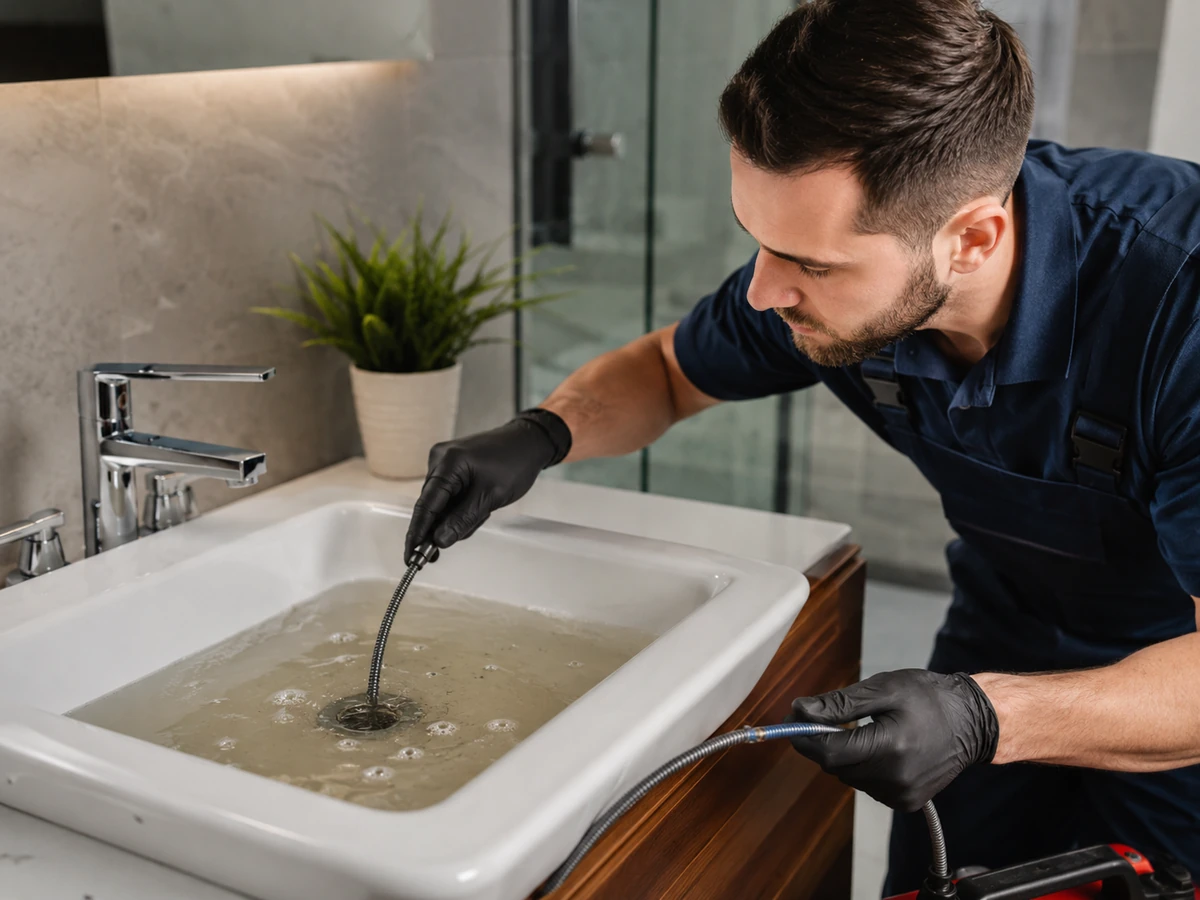 Plumbing
Kitchen and bathroom sinks collect different materials, but both can slow or stop when debris builds up. A simple blockage may respond to safe mechanical clearing, while recurring clogs, multiple slow drains, or wastewater backup can point to a larger drain problem.
What You Can Check
These are basic observations or simple checks. If anything feels unsafe or uncertain, stop and seek appropriate professional help.
- Stop running water if the sink is close to overflowing.
- Remove visible debris from the stopper or drain opening if it can be reached without disassembling plumbing.
- Use a sink plunger if appropriate for the fixture and you know how to create a safe seal.
- Check whether nearby fixtures are also slow or backing up.
Warning Signs
- More than one drain backs up at the same time.
- Wastewater appears in another fixture.
- There is a sewage odor with gurgling or repeated backup.
- A chemical drain product has already been used and the drain still needs to be opened or disassembled.
When Professional Help May Make Sense
If the clog returns, the sink remains fully blocked, or multiple fixtures are involved, a plumber can assess the branch drain or larger drainage system. Do not mix drain cleaners or combine bleach, acids, ammonia, or other cleaning products.
Call for Plumbing Help
If this issue needs professional attention, use the matching Plumbing connection below.
Call for Plumbing HelpConnection availability can vary by location, routing availability, campaign conditions, and provider participation.What to Have Ready Before You Call
- Which sink is affected.
- Whether the drain is slow or completely stopped.
- Whether other fixtures are affected.
- Any drain product or mechanical method already used.