
High Water Bill & Hidden Leaks
Learn how to tell if you have a hidden leak, check your water meter, and know what to do next.
Quick Answer
A high water bill with no visible leak can come from changed household use, irrigation, a running toilet, or a hidden leak. Compare actual usage first, then run a no-use meter test, inspect common fixtures, and document what you find before contacting the water provider or a plumber.
On This Page
Key Facts
Compare usage
Look at billed water use, not only the dollar total.
Run a no-use test
A quiet meter test can help show whether water is still moving.
Check common sources
Toilets, irrigation, fixtures, and outdoor lines deserve attention.
Document first
Keep dates, readings, photos, and provider questions together.
5-Step Leak Investigation
Compare Usage
Check recent bills.
Rule Out Known Use
Irrigation, guests, seasonal use.
No-Use Meter Test
Check the meter after no water use.
Check Fixtures
Toilets, faucets, irrigation.
Contact Provider
If a leak is not found.
Check Your Water Meter
- Find your meter.
- Record the reading.
- Avoid water use for about two hours.
- Check the meter again for movement.
What This Problem May Mean
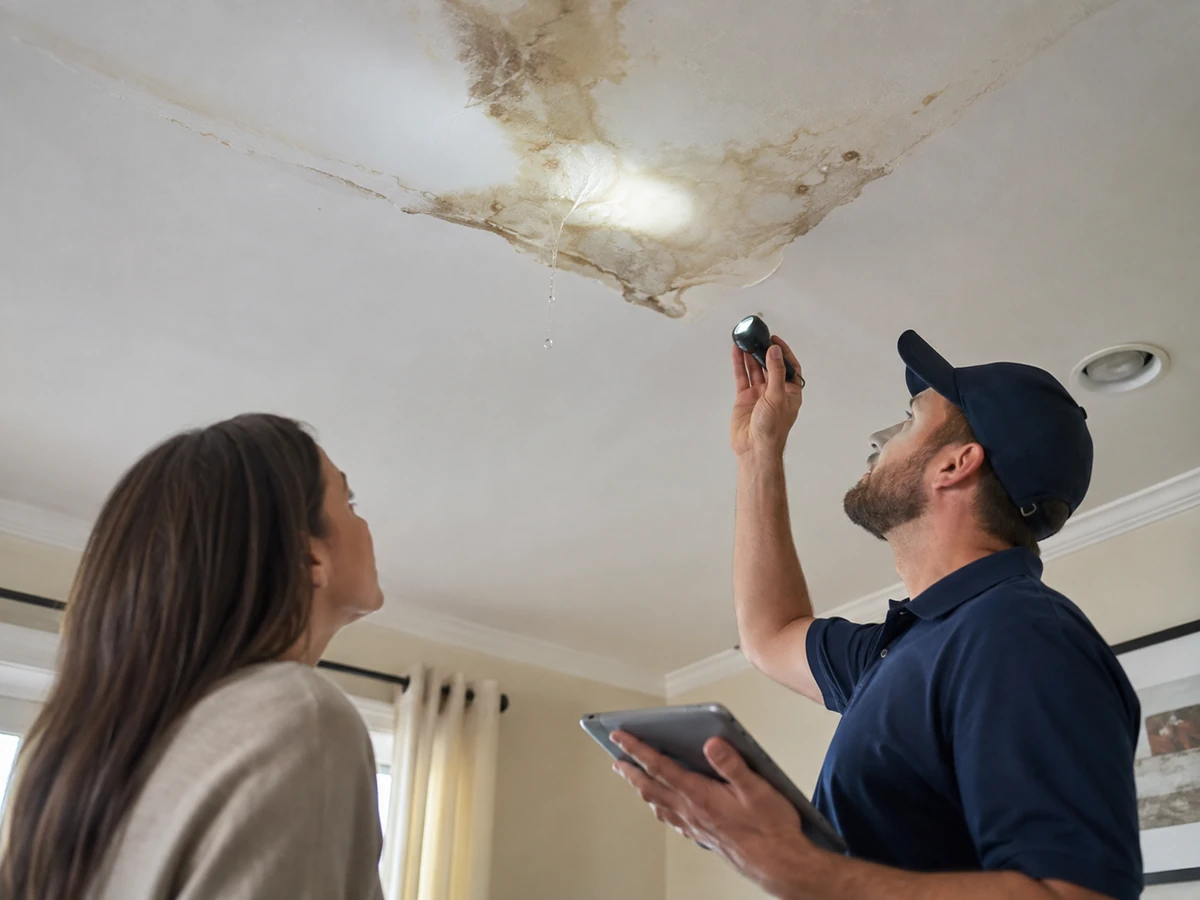
Leaks inside walls, floors, ceilings, supply lines, or appliance connections can be difficult to locate without tools. The goal of a homeowner check is to document signs and reduce damage, not to open walls or guess at a concealed pipe location.
What You Can Check
When to Stop
- Bulging or sagging ceilings.
- Water near electrical fixtures, outlets, panels, or appliances.
- A rapidly increasing meter reading with no known water use.
- Soft, swollen, or structurally damaged walls, floors, or cabinets.
When Professional Help May Make Sense
If signs point to a concealed or active leak, or the source cannot be identified without opening building materials, a plumber or appropriate leak-detection professional can investigate before damage spreads.
Need location-specific context?
Provider boundaries, utility rules, weather, and local water conditions can change the next step. Use the statewide and area guides only when location actually changes the decision.
What to Have Ready Before You Call
Sources Used
How this guide was prepared
HomeService Path separates general homeowner observations from provider-specific or property-specific evidence. The page does not diagnose a specific home, promise a repair outcome, or replace current utility instructions, manufacturer guidance, or professional inspection.