When Should You Consider a Roof Inspection?
A roof inspection can make sense after severe weather, when new warning signs appear, when the roof history is unclear, or before a small concern becomes repeated interior damage.
 Roofing
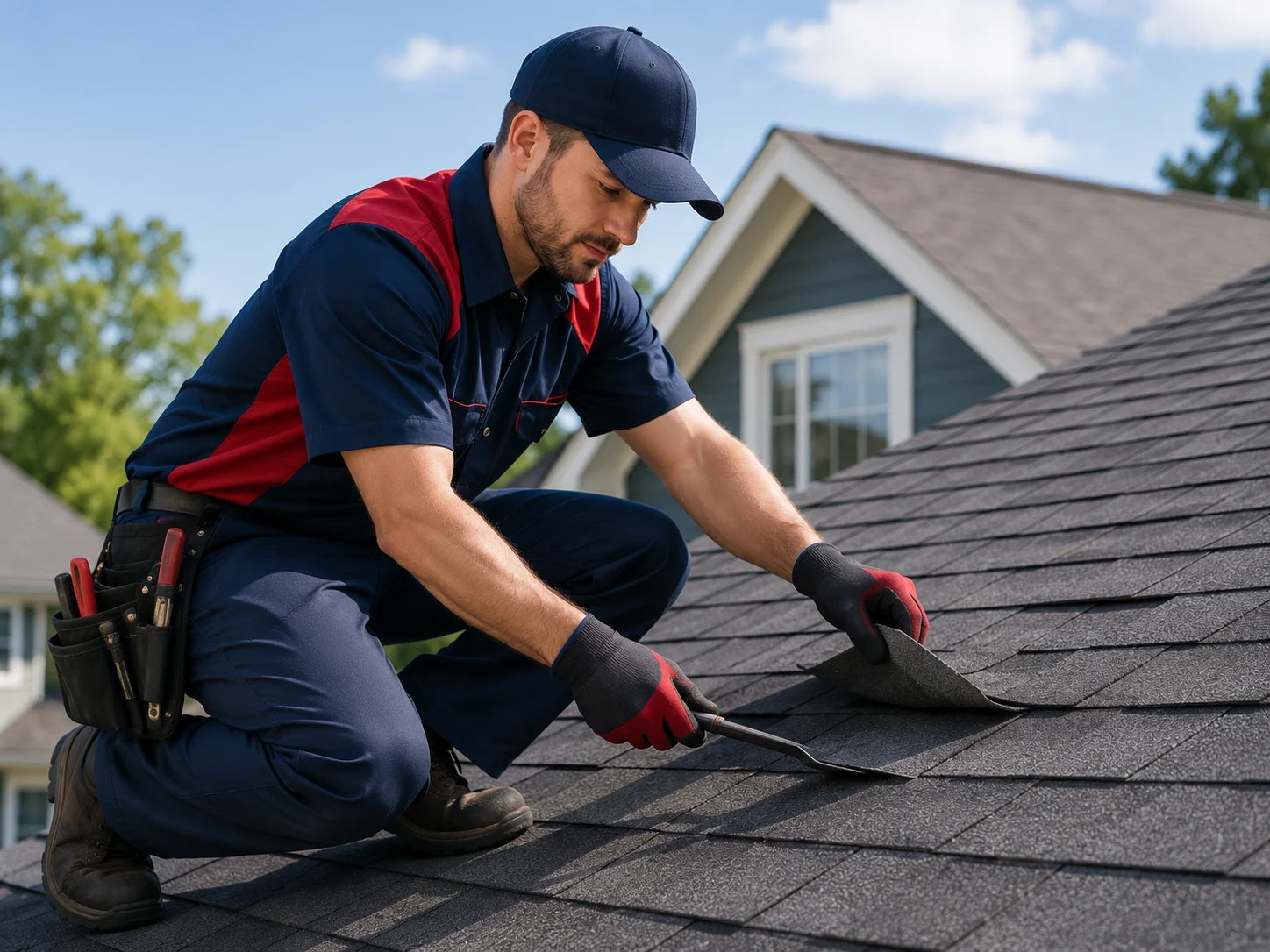
Many roof problems are hard to evaluate safely from the ground. Professional inspection can be useful when there is a leak, visible surface damage, storm exposure, recurring moisture, a sagging area, or uncertainty about an older roof. Routine homeowner observation should stay ground-based.
What You Can Check
These are basic observations or simple checks. If anything feels unsafe or uncertain, stop and seek appropriate professional help.
- Look for new ceiling stains, missing roofing, loose flashing, or debris from the ground after severe weather.
- Review any roof installation, warranty, inspection, or repair records you have.
- Note recurring trouble spots, especially leaks that return after repairs.
- Take safe ground-level photos so changes can be compared over time.
Warning Signs
- Active leak or rapidly spreading interior moisture.
- Sagging roof or ceiling.
- Large areas of missing or displaced material.
- Tree impact, structural damage, or electrical hazards near the roof.
When Professional Help May Make Sense
Consider a professional inspection after significant storm damage, when visible wear or leaks appear, when prior repairs keep failing, or when you need a documented condition assessment. Avoid climbing onto the roof for a closer look.
Call for Roofing Help
If this issue needs professional attention, use the matching Roofing connection below.
Call for Roofing HelpConnection availability can vary by location, routing availability, campaign conditions, and provider participation.What to Have Ready Before You Call
- Reason for requesting the inspection.
- Recent storm or leak dates.
- Approximate roof age and material if known.
- Photos and records of previous repairs or inspections.