
Bed Bugs? How to Check for Physical Signs Safely
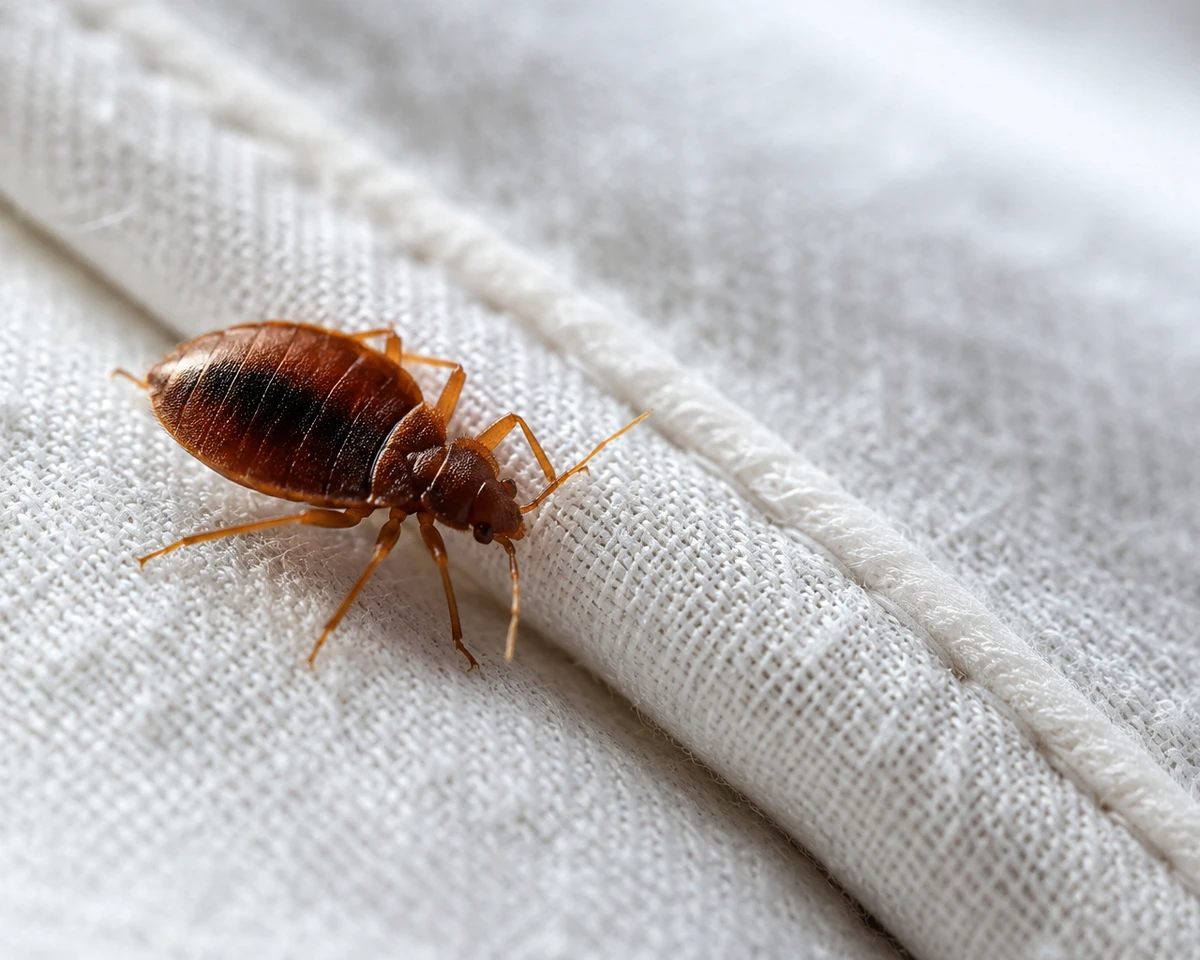
Bed bugs are best confirmed by physical evidence such as live insects, dark spotting, shed skins, eggs, or characteristic stains rather than by bites alone.
 Pest Control
Bed bugs commonly hide close to sleeping and resting areas, including mattress seams, box springs, bed frames, headboards, and nearby cracks. They can be difficult to identify and control, so careful inspection and safe containment are more useful than spraying an unidentified insect.
What You Can Check
These are basic observations or simple checks. If anything feels unsafe or uncertain, stop and seek appropriate professional help.
- Use a flashlight to inspect mattress seams, labels, box-spring edges, bed frames, and headboard joints for live bugs, shed skins, eggs, or dark spotting.
- Reduce clutter around sleeping areas so inspection and treatment are easier.
- Bag washable bedding or clothing before moving it and use normal laundering plus the hottest dryer setting that the item label safely allows.
- If using an encasement or pesticide product, choose one intended for bed-bug management and follow its directions exactly.
Warning Signs
- Bed bugs or signs are found in multiple rooms.
- Repeated signs continue after careful cleaning and monitoring.
- You are considering whole-room heating with space heaters, fireplaces, grills, or other improvised heat sources.
- A pesticide is being considered for a surface, mattress, or room where the label does not specifically allow that use.
When Professional Help May Make Sense
Professional pest-control help may make sense when bed bugs are confirmed, activity is widespread, or do-it-yourself efforts are not containing the problem. Avoid unsafe improvised heat treatments and use pesticides only as the label permits.
Call for Pest Control Help
If this issue needs professional attention, use the matching Pest Control connection below.
Call for Pest Control HelpConnection availability can vary by location, routing availability, campaign conditions, and provider participation.What to Have Ready Before You Call
- Photos or a safely captured specimen.
- Rooms and furniture where signs were found.
- Travel, used-furniture, or recent move history if relevant.
- Treatments, laundering, encasements, or pesticide products already used.