
Visible Roof Damage? What to Document Before an Inspection
Cracked, displaced, punctured, or otherwise damaged roofing deserves attention even when there is no indoor leak yet.
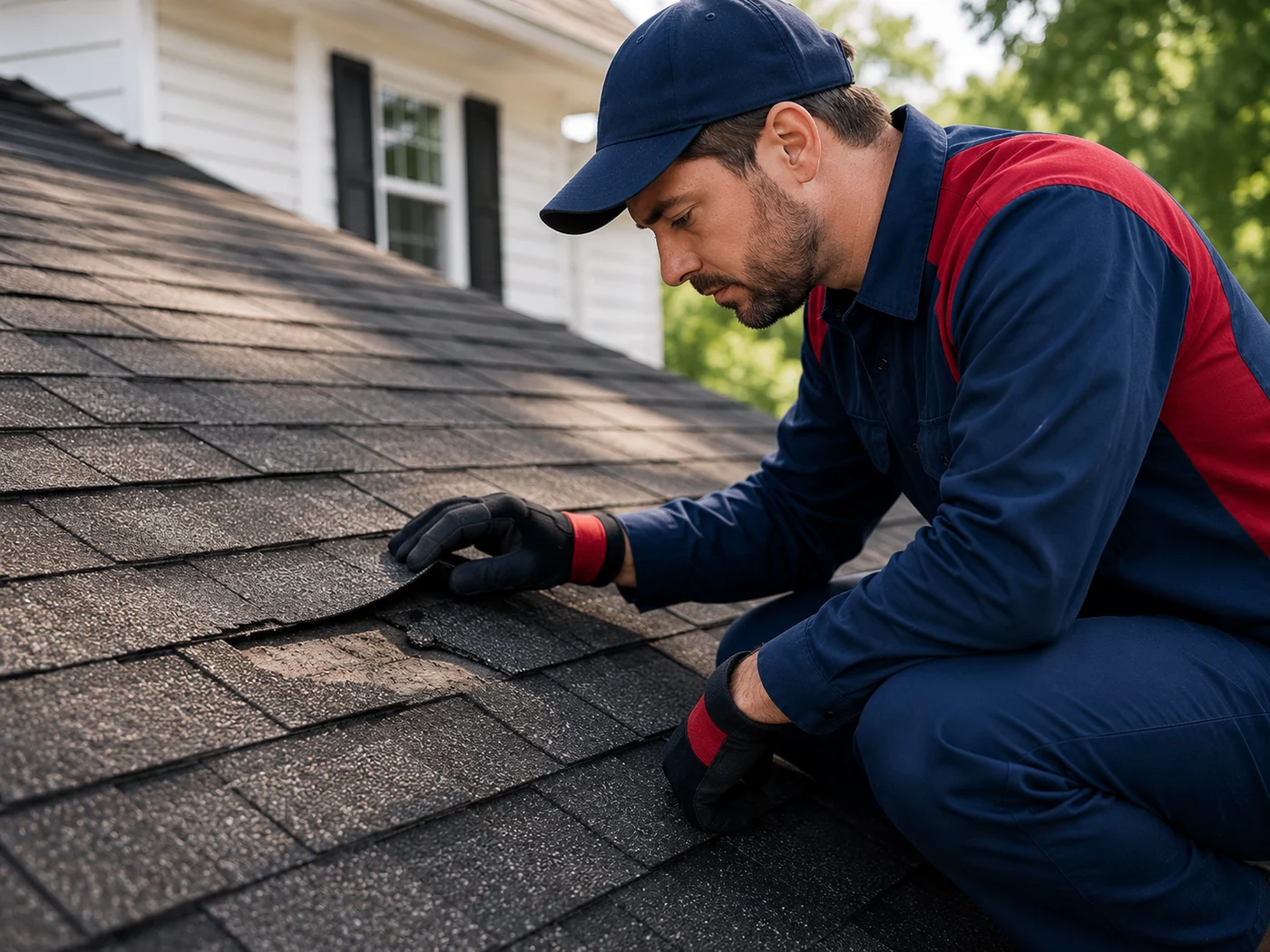 Roofing
Visible roof damage can involve shingles, flashing, vents, roof edges, decking, or penetrations. Water may travel before showing indoors, so the location of visible exterior damage and any interior moisture are both useful clues.
What You Can Check
These are basic observations or simple checks. If anything feels unsafe or uncertain, stop and seek appropriate professional help.
- Photograph the damaged area from the ground or another safe location.
- Look for matching indoor stains or moisture after rain.
- Note whether the damage followed wind, hail, falling debris, nearby work, or another event.
- Keep the area below hanging or loose roof materials clear.
Warning Signs
- A visible hole or opening in the roof.
- Loose material could fall from the roof edge.
- Water is actively entering the home.
- There is sagging, structural movement, or damage from a tree or utility line.
When Professional Help May Make Sense
If roof damage is visible, especially after weather or impact, a qualified roofer can inspect the affected area and determine whether repair is needed. Avoid climbing onto the roof to get a closer look.
Call for Roofing Help
If this issue needs professional attention, use the matching Roofing connection below.
Call for Roofing HelpConnection availability can vary by location, routing availability, campaign conditions, and provider participation.What to Have Ready Before You Call
- Ground-level photos.
- Location and approximate size of the damaged area.
- Date and cause if known.
- Any indoor stain, leak, or prior repair in the same area.