
Water Heater Leaking? What to Check Safely
Water around a water heater can come from the tank, connected piping, condensation, or a valve. An active tank leak deserves prompt attention.
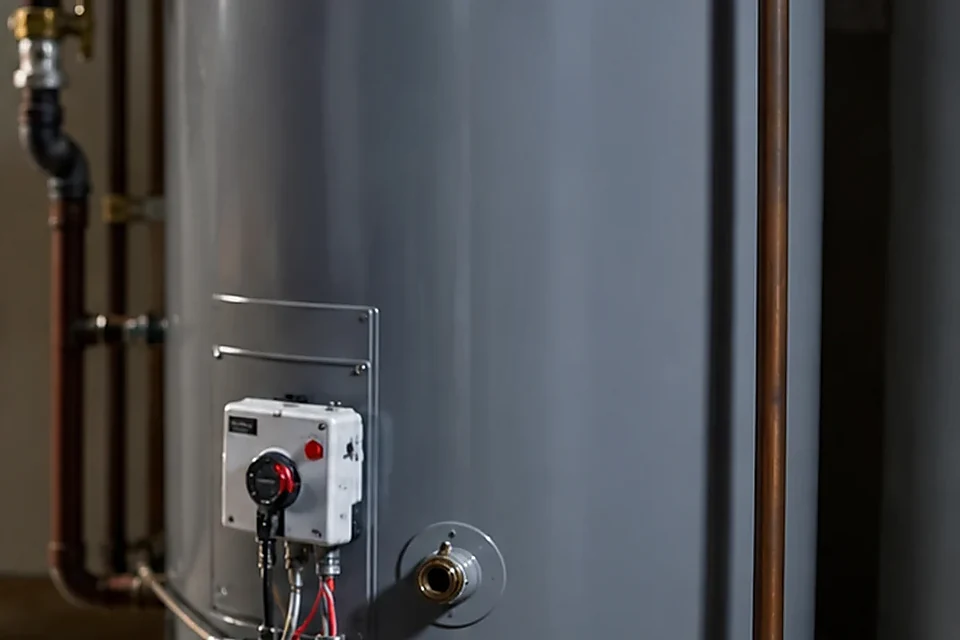 Plumbing
The first useful step is to identify where visible water seems to begin without touching hot, electrical, gas, or pressurized components. A leaking tank or valve can worsen quickly and may damage nearby flooring and walls.
What You Can Check
These are basic observations or simple checks. If anything feels unsafe or uncertain, stop and seek appropriate professional help.
- From a safe distance, look for whether water begins at a pipe connection, valve area, drain pan, or the tank body.
- Photograph the area and note whether water appears continuously or only after hot-water use.
- Keep people away from standing water that is near electrical equipment.
- If water is spreading rapidly and the main water shutoff is safely accessible and familiar to you, shutting off the home water supply can reduce damage while help is arranged.
Warning Signs
- Water is near electrical wiring, outlets, or an electric water heater connection.
- Natural-gas odor or suspected gas leak.
- The tank body is visibly corroded, split, or leaking continuously.
- The temperature-and-pressure relief valve is discharging heavily or appears altered.
When Professional Help May Make Sense
An active water-heater leak should be evaluated promptly by a qualified professional. Do not plug, cap, or disable the relief valve, and do not open heater electrical or gas-control compartments.
Call for Plumbing Help
If this issue needs professional attention, use the matching Plumbing connection below.
Call for Plumbing HelpConnection availability can vary by location, routing availability, campaign conditions, and provider participation.What to Have Ready Before You Call
- Where the water first appears.
- Whether the heater is gas, electric, heat-pump, or another type if known.
- Approximate age of the heater.
- Photos and any visible model/error information.