
Unusual HVAC Noise? What the Sound Can Tell You
Rattling, buzzing, squealing, grinding, banging, or other new HVAC sounds can help identify where a problem is occurring, but internal equipment should not be opened for inspection.
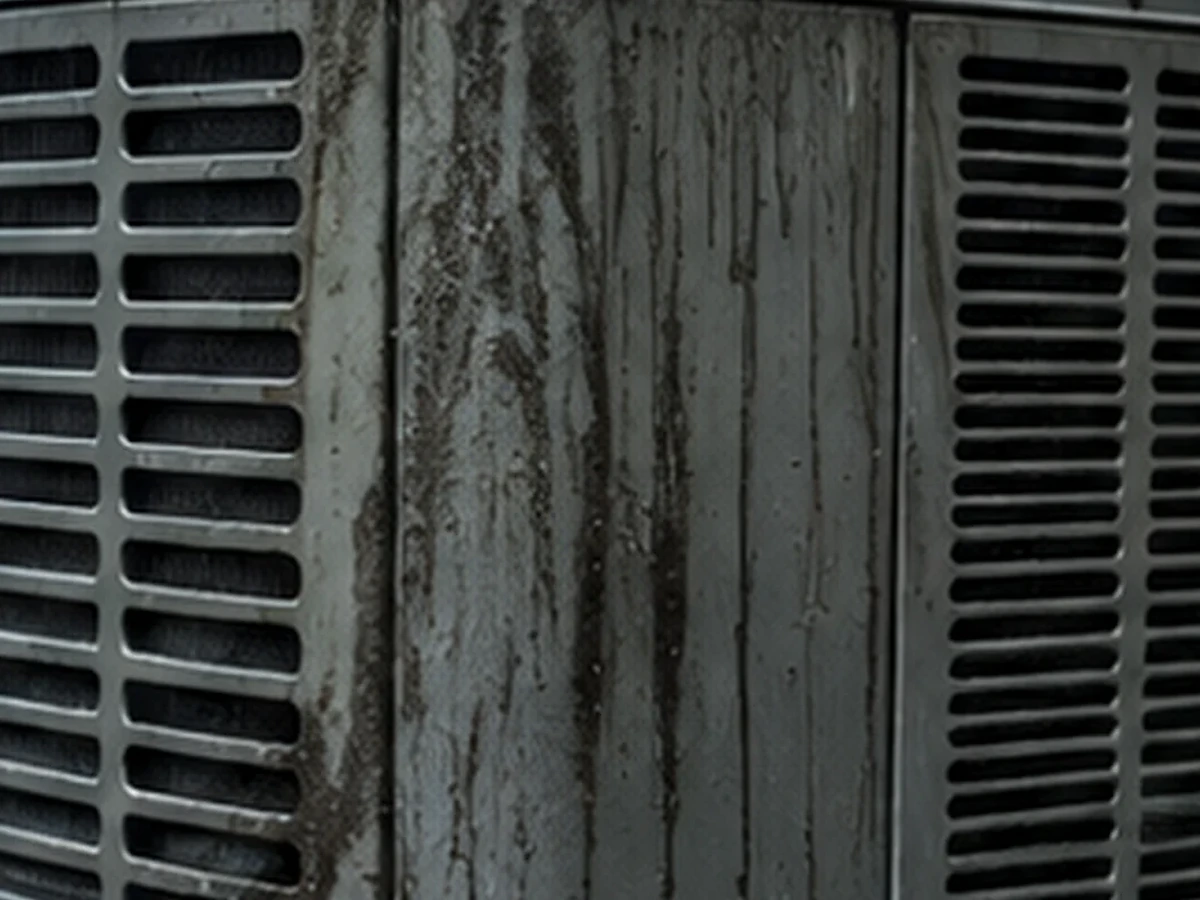 Heating & Cooling
New HVAC noises may come from a loose register, airflow restriction, outdoor-unit debris, a fan or motor issue, vibration, duct movement, or an electrical or mechanical fault. The safest first step is to identify when and where the sound occurs.
What You Can Check
These are basic observations or simple checks. If anything feels unsafe or uncertain, stop and seek appropriate professional help.
- Listen from a safe distance and note whether the sound comes from a vent, indoor unit, thermostat area, or outdoor unit.
- Check for an obviously loose vent cover or object resting against an accessible register.
- Inspect the filter and confirm vents are not blocked.
- From the ground, look for obvious loose debris touching the outdoor unit without reaching into the equipment.
Warning Signs
- Grinding, screeching, repeated banging, or a rapidly worsening sound.
- Electrical buzzing with a burning smell, sparks, or repeated breaker trips.
- The outdoor fan appears damaged or something is lodged inside the equipment.
- The system stops heating or cooling while the noise continues.
When Professional Help May Make Sense
A new or persistent mechanical or electrical sound is a good reason for professional inspection, especially if performance changes or any safety warning appears. Do not remove equipment panels to locate the sound.
Call for HVAC Help
If this issue needs professional attention, use the matching Heating & Cooling connection below.
Call for HVAC HelpConnection availability can vary by location, routing availability, campaign conditions, and provider participation.What to Have Ready Before You Call
- A short recording of the sound if it can be made safely.
- Where the sound seems loudest.
- Whether it occurs at startup, shutdown, or continuously.
- Any change in heating, cooling, airflow, smell, or breaker behavior.