
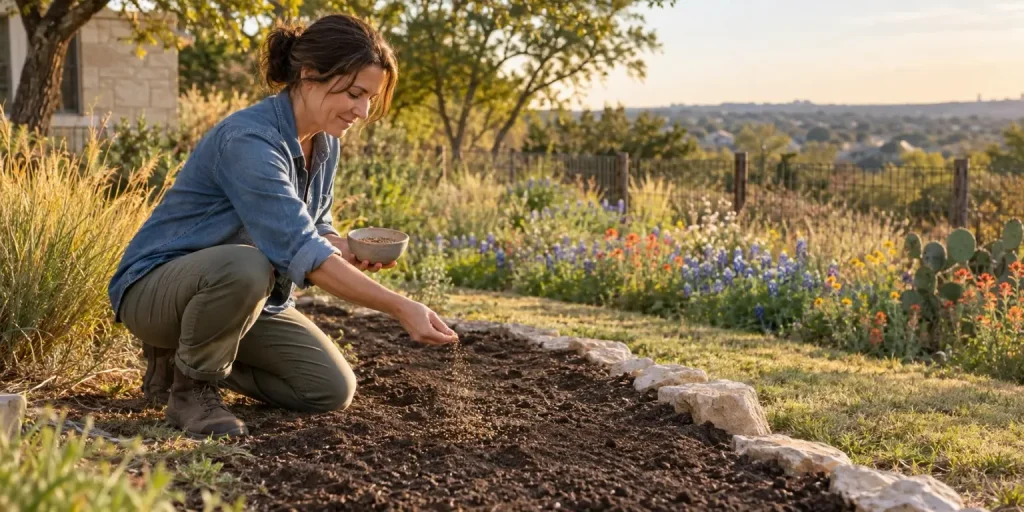
When to Plant Wildflower Seeds in Texas for Spring Blooms
Learn when to plant wildflower seeds in Texas, why October works for many yards, and how to prepare soil for bluebonnets and spring blooms.
QUICK ANSWER
October is the safest overall choice for many Texas yards
The best time to plant wildflower seeds in Texas is generally from early fall through mid-November. Bluebonnet seeds may be planted from September 1 through December 15, although planting by mid-November gives seedlings more time to develop roots before spring.
01 TIMING
Plant for the Texas season
Texas wildflowers begin their spring display months before the first bloom appears. Seeds planted in fall can use cooler temperatures and seasonal moisture to germinate and establish roots through winter.
Timing should still reflect local conditions. Homeowners in the Panhandle and North Texas may need to plant earlier because freezing weather arrives sooner. Central, East and West Texas gardens often have a useful October window. Gulf Coast and South Texas homeowners may have more time, but waiting too long can reduce the establishment period.

02 SITE
Choose the right part of the yard
Most bluebonnets and sun-loving Texas wildflowers need an open location with good drainage. A bright yard is not always a suitable planting site if water remains after rain.
Look for an area that receives several hours of direct sunlight and does not stay soggy. Bluebonnets perform particularly well in sunny, well-drained soil. A regional native seed mix may be more dependable than choosing one flower for every part of Texas.
03 PREPARATION
Give seeds contact with the soil
Wildflower seed scattered over thick grass, mulch or fallen leaves may never reach the soil. Remove heavy vegetation and lightly rake the surface before sowing.
Spread the seeds evenly, then press them gently against the ground. Avoid burying them under a deep layer of soil. Good seed-to-soil contact supports germination while leaving the seeds close enough to the surface to receive light and moisture.
04 AFTER PLANTING
Use water carefully
After planting, water lightly if the soil is dry. The goal is to support germination without leaving the planting area waterlogged. Established native wildflowers generally require less attention, but new seedlings can still struggle when fall rainfall is limited.
Avoid fertilizing bluebonnets simply to force faster growth. Rich fertilizer can encourage competing plants and may not improve flowering.
BOTTOM LINE
Prepare in September and aim to sow in October
For most Texas yards, October provides a practical balance of warm soil, cooler nights and time for root development. Prepare a sunny, well-drained area, select seeds suited to your region and finish planting by mid-November when possible.
KEEP EXPLORING
Plan the rest of your Texas landscape
Pair a seasonal wildflower area with trees and plants chosen for local heat, soil and available space.
SOURCES
Texas planting references
HomeService Path provides practical homeowner education. Planting results vary with region, weather, soil preparation and seed selection.