Understand
Start with what you can see, hear, smell, or feel.
HomeService Path helps homeowners make sense of common household problems, identify the right service category, and use a direct connection path when professional help may be the next step.
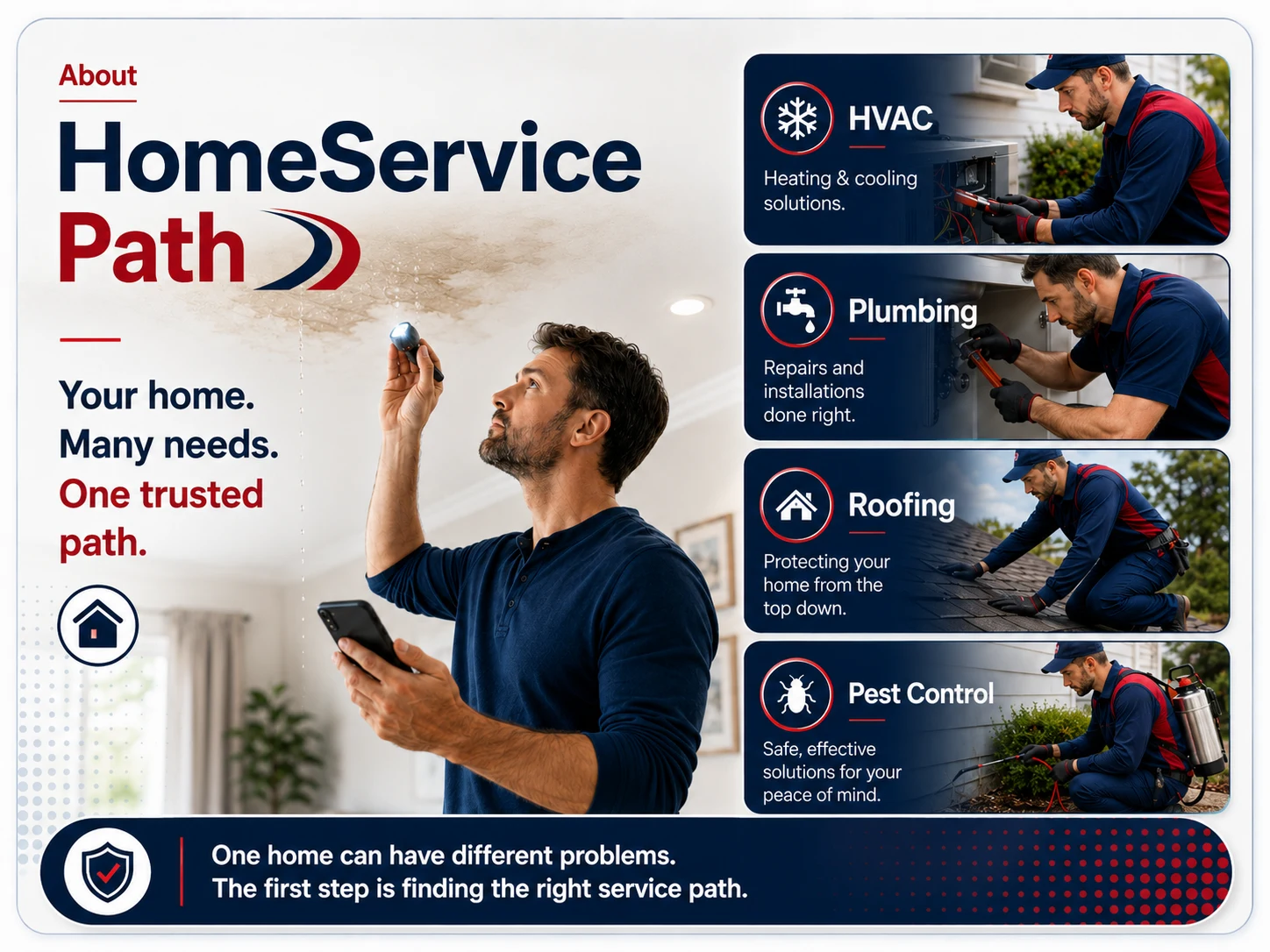
Water appears where it should not. A room will not cool. A ceiling stain shows up after rain. You find droppings in a cabinet. At that point, the homeowner often knows something is wrong without knowing exactly what service to call.
HomeService Path is built around that moment. We organize the first questions, warning signs, service categories, and connection options into one simpler path.
Start with what you can see, hear, smell, or feel.
Use problem-specific guidance to narrow the service area.
Use the matching service route when professional help makes sense.
The site is designed around relevance, clarity, and a clean handoff to the appropriate service category—not around making homeowners guess.
Clear pages explain common possibilities, safe observations, and warning signs without pretending to diagnose the home online.
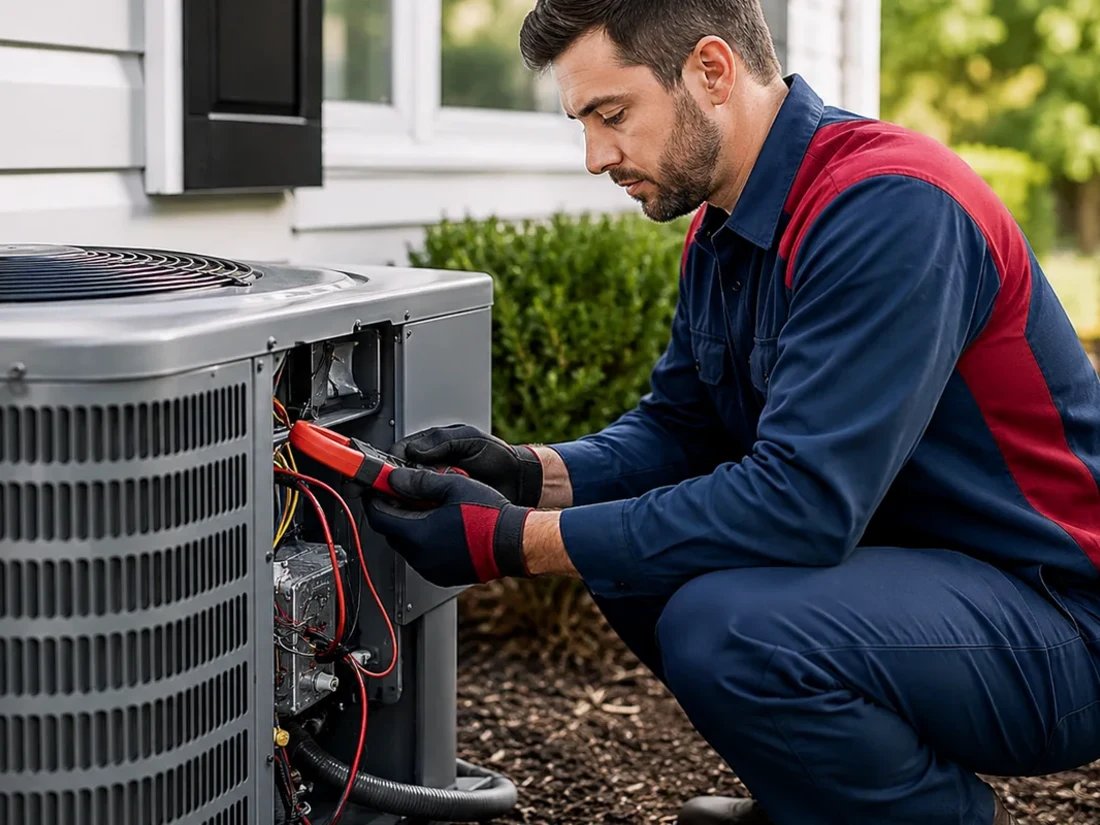
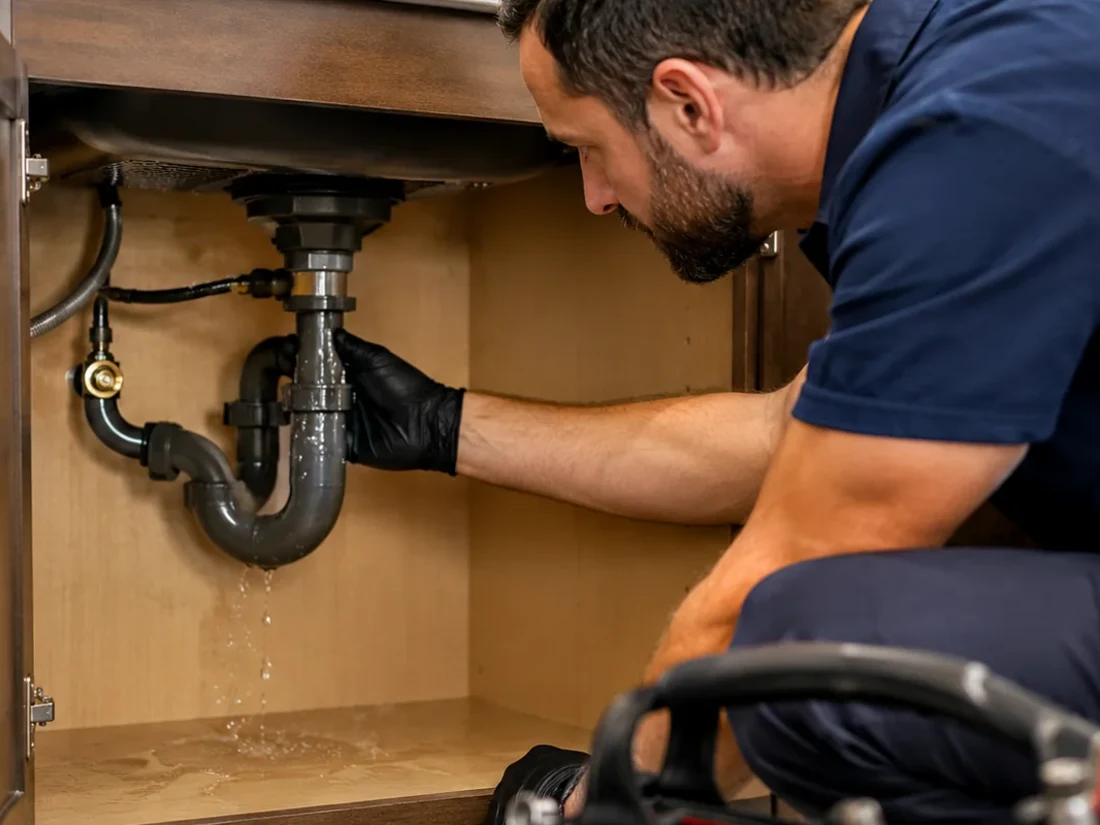
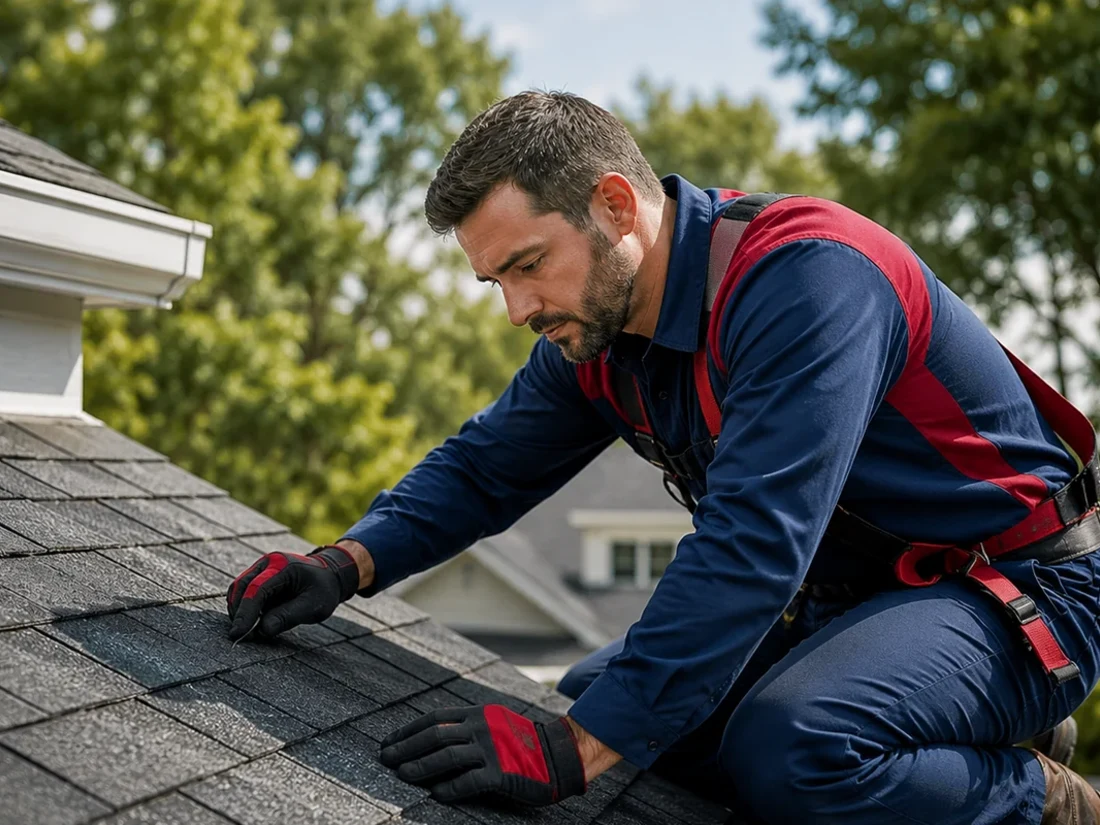
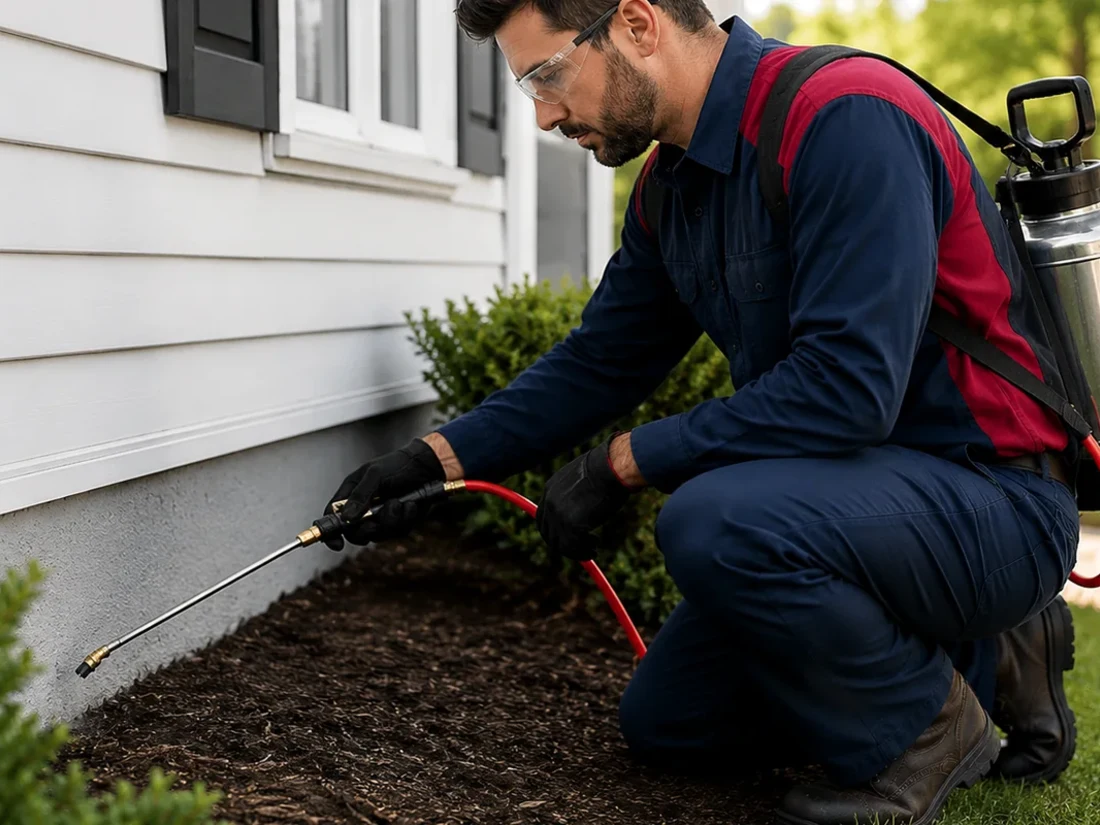
HVAC, plumbing, roofing, and pest-control routes stay separate so the homeowner can act on the category that actually matches the problem.
Where an approved route is active, a homeowner can start the service connection directly without working through a long lead form.
Service-specific routes are designed to connect homeowners with local professionals who can discuss the problem and available next steps.
Understand the problem category, see practical warning signs, and use a matching service connection when you are ready.
The connection begins after the homeowner has already selected a specific problem area and service category.
Each category has its own guidance, visuals, and service-specific connection route.
HomeService Path organizes homeowner guidance, service categories, and direct call paths so the next step is easier to understand.
When a service route is available, the call path is designed to connect the homeowner with a local professional for that category.
Start with the service-specific route.
Problem guidance, service organization, and the connection route.
Discuss availability, pricing, service recommendations, scheduling, and next steps.
The goal is to make the path more relevant, easier to understand, and more confidence-inspiring from the first problem to the local service conversation.
Keep the homeowner’s issue tied to the matching service route.
Explain common signs and warning signals before pushing an action.
Make the call option easy to find when the homeowner decides professional help is appropriate.
Make it easy to move from a clear service category to a local professional who can discuss the next step.
Explore how HomeService Path moves from homeowner guidance to a service-specific local connection.